
Case study
A recent study conducted by Harvard University has raised concerns about the presence of solid microscopic matter in water. According to the study, these toxic minerals can build up in the walls of the prostate and urinary system, much like how limestone can stick to pipes.

The study, which was published in the journal Environmental Health Perspectives, looked at the levels of minerals such as calcium, magnesium, and iron in drinking water samples from various regions across the United States. The researchers found that in areas where the water was rich in these minerals, there was a higher incidence of urinary tract problems, including bladder cancer and kidney stones.
The reason for this is that these minerals can accumulate in the urinary system, forming what are known as urinary tract stones. These stones can cause blockages in the urinary tract, leading to a range of uncomfortable and painful symptoms such as difficulty urinating, pain during urination, and even kidney damage in severe cases.
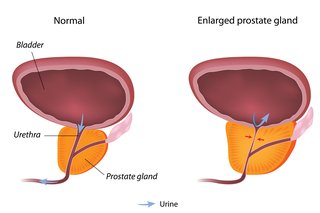
Furthermore, the study found that the presence of these minerals in drinking water was linked to an increased risk of prostate cancer. The reason for this is that the minerals can build up in the walls of the prostate, causing inflammation and damage to the tissues. This, in turn, can increase the risk of cancerous growths.
While the study focused on the United States, the issue of mineral-rich water is a global one. In many parts of the world, water sources are naturally rich in minerals such as calcium, magnesium, and iron. In other areas, water is artificially enriched with these minerals as part of the water treatment process.
While minerals such as calcium and magnesium are essential for good health, too much of a good thing can be harmful. This is why it is important to be aware of the mineral content of the water you are drinking and take steps to reduce your exposure to toxic minerals.

One way to do this is to install a water filter in your home. Water filters can remove harmful minerals from drinking water, reducing the risk of urinary tract problems and prostate cancer. However, not all water filters are created equal, and it is important to choose a filter that is effective at removing the specific minerals that are present in your water.
Another way to reduce your exposure to toxic minerals is to drink bottled water. However, it is important to note that not all bottled water is free from minerals. Some bottled waters are simply tap water that has been treated and bottled, while others are sourced from natural springs that may contain high levels of minerals.
In conclusion, the Harvard study highlights the importance of being aware of the mineral content of the water you are drinking. While minerals such as calcium and magnesium are important for good health, too much of these minerals can be harmful. By taking steps to reduce your exposure to toxic minerals, such as installing a water filter or drinking bottled water, you can reduce your risk of developing urinary tract problems and prostate cancer.
What are the pain points, or biggest fears
Short term
1 intability used by an increased need to utrate, weak urine stream or stream that starts and stops
2 Feeling less of a man
3 Poor semp and tiredness (the nond to urinate increases during the night)
4 No longer being able to enjoy themselves because they are always on a look out for bathroom
5 Having to deal with ridicule/bad jokes from other people
Long term:
Erectile dysfunction
Urinary tract infection
Urinary retentions (inability to peel or inability to hold urine)
Stones in the badder or kidney
Kidney damage
Having to wear diapers
Becoming home-bound due to constantly needing a toilet
Fear of being seen as sterile
 HEALTHANDFITNESS