
A low-carb diet can offer numerous benefits for fitness enthusiasts. Firstly, by reducing carbohydrate intake and focusing on protein and healthy fats, individuals can experience improved weight management. Low-carb diets promote fat loss while preserving lean muscle mass, making them effective for achieving a leaner and more toned physique. Moreover, low-carb diets can enhance energy levels and optimize performance during exercise. By relying on fat as a primary fuel source, athletes can experience increased endurance and sustained energy levels throughout their workouts. Additionally, low-carb diets have been shown to improve insulin sensitivity and regulate blood sugar levels, making them particularly beneficial for individuals with diabetes or those aiming to prevent metabolic disorders. Lastly, a low-carb diet can support overall health by reducing inflammation and promoting heart health, which is crucial for maintaining long-term fitness and well-being.
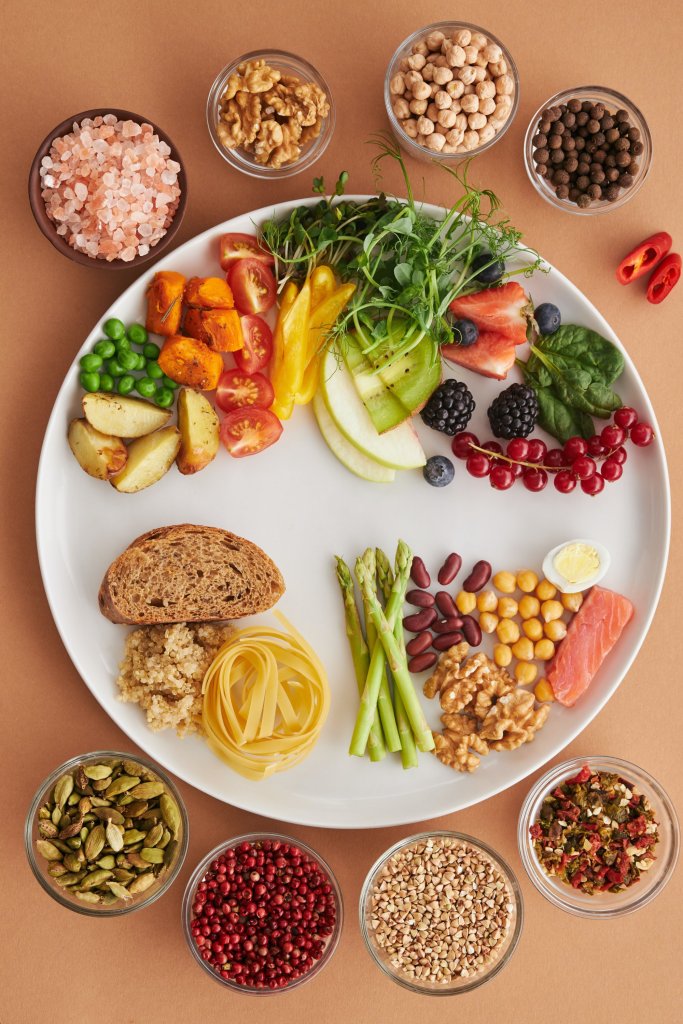
THE BENEFITS OF LOW CARB DIET
A low-carb diet is a dietary approach that restricts the intake of carbohydrates while emphasizing the consumption of proteins and fats. While individual responses to different diets may vary, here are some potential benefits that have been associated with a low-carb diet:
- Weight loss: Low-carb diets have been shown to be effective for weight loss, primarily due to the reduction in calorie intake and increased satiety. By minimizing carbohydrates, the body is encouraged to burn stored fat for energy, which can lead to significant weight loss.
- Improved blood sugar control: Low-carb diets can be particularly beneficial for individuals with diabetes or insulin resistance. By reducing carbohydrate intake, blood sugar levels and insulin responses tend to stabilize, potentially leading to better glycemic control.
- Increased satiety: Foods rich in protein and healthy fats tend to be more filling, which can help reduce overall calorie intake and curb cravings. This increased satiety may contribute to weight loss and make it easier to stick to the diet plan.
- Reduced risk of metabolic syndrome: Metabolic syndrome is a cluster of conditions, including high blood pressure, elevated blood sugar levels, abnormal cholesterol levels, and excess abdominal fat, that increases the risk of heart disease, stroke, and type 2 diabetes. Low-carb diets have been shown to improve several metabolic markers, such as triglyceride levels, HDL cholesterol levels, and blood pressure, thereby potentially reducing the risk of metabolic syndrome.
- Improved cardiovascular health: Low-carb diets have been associated with improvements in various cardiovascular risk factors. They can help reduce levels of triglycerides, increase levels of “good” HDL cholesterol, and lower blood pressure, all of which contribute to better heart health.
- Enhanced mental clarity and focus: Some individuals report experiencing improved mental clarity, concentration, and overall cognitive function when following a low-carb diet. While research in this area is limited, it is thought to be related to the stable blood sugar levels and increased intake of healthy fats, which provide a more sustained source of energy to the brain.
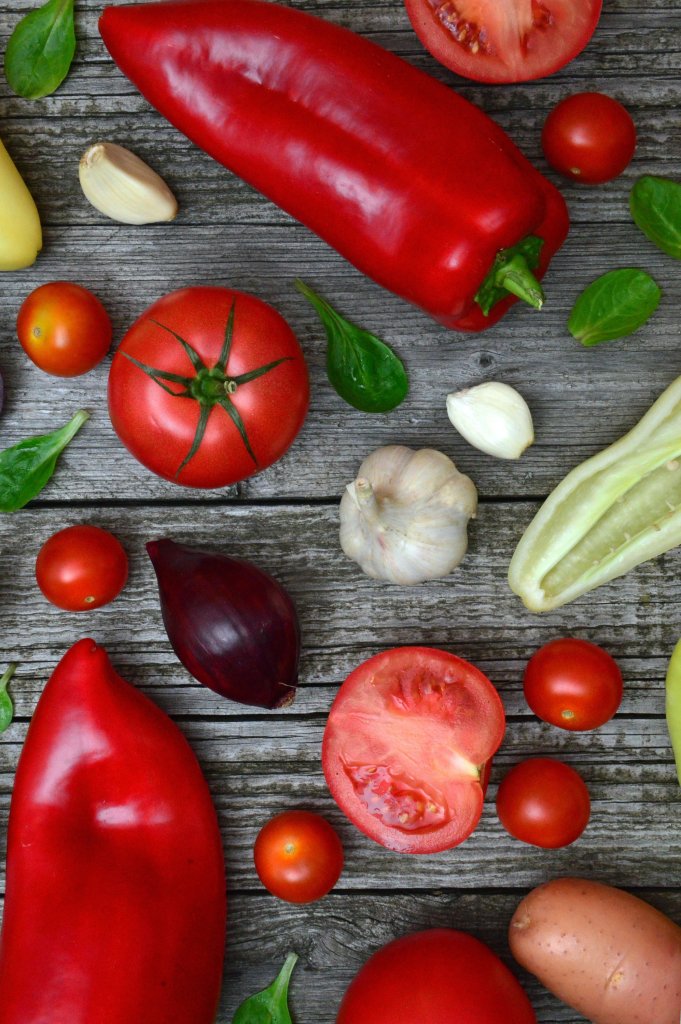
It’s important to note that a low-carb diet may not be suitable for everyone, and individual needs and preferences should be taken into consideration. It is always recommended to consult with a healthcare professional or registered dietitian before making significant dietary changes.
LOW CARB DAILY ROUTINE DIET
Here’s an example of a low-carb daily routine diet plan:
Breakfast:
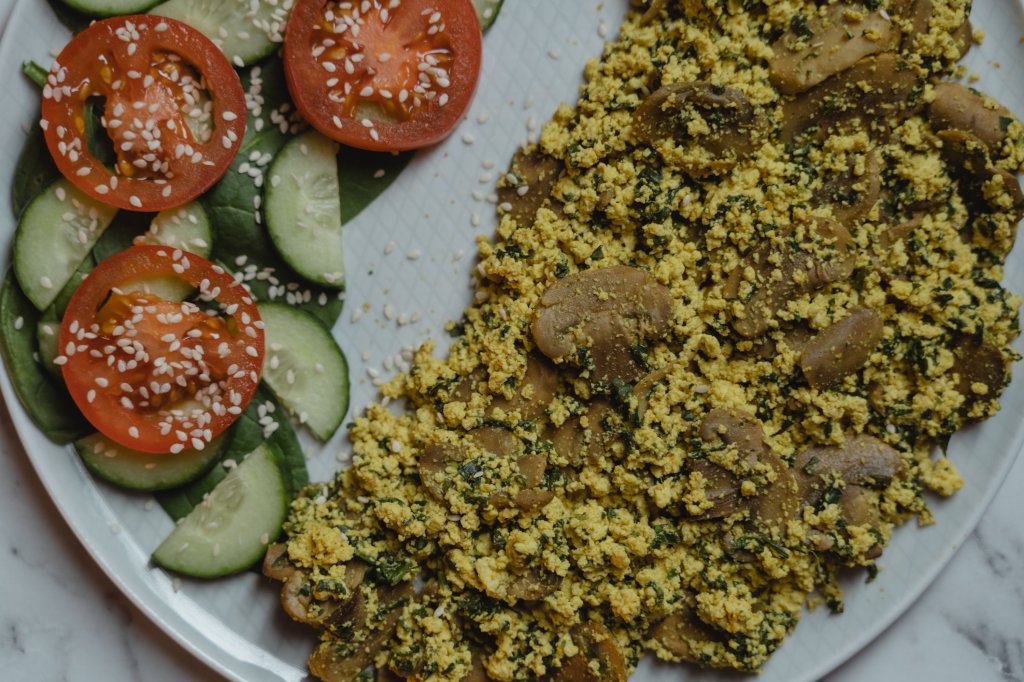
- Scrambled eggs with vegetables (such as spinach, peppers, and mushrooms) cooked in olive oil or coconut oil.
- A side of avocado or a few slices of bacon.
- Unsweetened tea or coffee.
Snack:
- A handful of nuts (e.g., almonds, walnuts) or seeds (e.g., pumpkin seeds, chia seeds).
- A small portion of cheese or a hard-boiled egg.
Lunch:
- Grilled chicken or fish (salmon, tuna, or trout) with a side of non-starchy vegetables (e.g., broccoli, cauliflower, asparagus).
- A mixed green salad with olive oil and vinegar dressing.
Snack:
- Celery or cucumber slices with almond butter or a low-carb dip (e.g., guacamole, hummus).
Dinner:
- Baked or grilled steak with a side of roasted vegetables (e.g., Brussels sprouts, zucchini, or bell peppers) drizzled with olive oil.
- A small portion of a low-carb side dish like cauliflower rice or sautéed spinach.
Snack (optional):
- Greek yogurt with a handful of berries (e.g., blueberries, raspberries) or a few squares of dark chocolate (at least 70% cocoa).
It’s important to note that portion sizes and specific food choices may vary depending on individual needs and preferences. Also, make sure to stay hydrated throughout the day by drinking plenty of water.
Remember, it’s always a good idea to consult with a healthcare professional or registered dietitian before starting any new diet plan to ensure it aligns with your specific health needs and goals.
💞❣️Thank you 💞❣️
Follow me for my upcoming contents on health and fitness
 HEALTHANDFITNESS