
A vegetarian diet can offer several benefits for fitness enthusiasts. Here are some of the key advantages:
Why vegetarian diet is better than non vegetarian diet
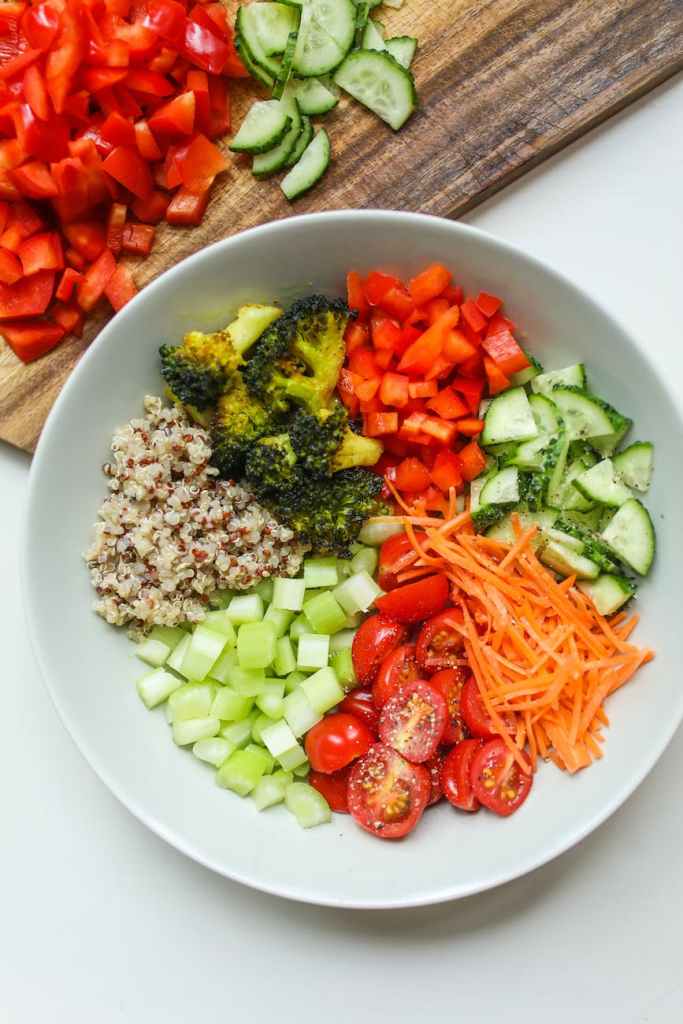
The question of whether a vegetarian diet is “better” than a non-vegetarian diet is subjective and depends on individual perspectives and priorities. However, there are several reasons why many people believe that a vegetarian diet offers advantages. Firstly, vegetarian diets are often associated with improved health outcomes. They tend to be lower in saturated fats and cholesterol while being higher in fiber, antioxidants, and essential nutrients found in plant-based foods. Studies have shown that vegetarian diets can help reduce the risk of chronic diseases such as heart disease, obesity, and certain types of cancer. Secondly, adopting a vegetarian diet can have positive environmental impacts. Animal agriculture is a significant contributor to greenhouse gas emissions, deforestation, and water pollution. By choosing plant-based alternatives, individuals can reduce their ecological footprint and contribute to a more sustainable future. Lastly, ethical considerations related to animal welfare often drive people to choose a vegetarian diet, aligning their dietary choices with their values and reducing their contribution to the suffering of animals. Ultimately, the decision between a vegetarian and non-vegetarian diet should be based on personal values, health considerations, cultural factors, and individual nutritional needs.
- High in Nutrients: Vegetarian diets typically include a wide variety of fruits, vegetables, whole grains, legumes, nuts, and seeds. These plant-based foods are rich in essential nutrients such as vitamins, minerals, antioxidants, and fiber, which are crucial for overall health and fitness.Weight Management: A well-planned vegetarian diet can be beneficial for weight management. Plant-based foods tend to be lower in calories and saturated fats compared to animal products, making it easier to maintain a healthy weight. Additionally, vegetarian diets are often high in fiber, which promotes feelings of fullness and can help control appetite.Improved Digestion: The high fiber content in vegetarian diets promotes healthy digestion by preventing constipation and maintaining bowel regularity. Good digestion is important for nutrient absorption, energy levels, and overall well-being, especially for active individuals.Heart Health: Vegetarian diets are typically low in saturated fats and cholesterol, which are commonly found in animal products. By reducing or eliminating these components, vegetarians may have a lower risk of developing heart disease, high blood pressure, and high cholesterol levels, all of which can impact overall fitness and exercise performance.Enhanced Recovery: Plant-based foods are often rich in antioxidants and anti-inflammatory compounds that can aid in post-exercise recovery. These nutrients help reduce inflammation, promote tissue repair, and support the immune system, allowing for faster recovery and improved athletic performance.Reduced Risk of Chronic Diseases: Vegetarian diets have been associated with a lower risk of developing various chronic diseases, including type 2 diabetes, certain types of cancer, and hypertension. By maintaining overall health, vegetarians can better focus on their fitness goals and engage in regular physical activity.Environmental Sustainability: Adopting a vegetarian diet has environmental benefits as well. Animal agriculture is a significant contributor to greenhouse gas emissions, deforestation, and water pollution. By choosing plant-based alternatives, individuals can contribute to reducing their ecological footprint and supporting a more sustainable future.
It’s important to note that while a vegetarian diet can be highly beneficial for fitness, it’s crucial to ensure a well-balanced and varied diet that meets all nutrient needs. Consulting a registered dietitian or nutritionist can be helpful in creating an individualized vegetarian meal plan to support fitness goals.
HERE ARE SOME EXAMPLES OF MEAT PLAN
Meal Plan:
Day 1:
Breakfast:
- Scrambled tofu with mixed vegetables (broccoli, bell peppers, onions, spinach)
- Whole wheat toast with avocado
Snack:
- Greek yogurt with mixed berries and a sprinkle of chia seeds
Lunch:
- Chickpea salad with mixed greens, cherry tomatoes, cucumber, red onion, and feta cheese
- Quinoa on the side
Snack:
- A small handful of nuts (e.g., almonds, walnuts)
Dinner:
- Lentil curry with brown rice
- Steamed asparagus
Day 2:
Breakfast:
- Overnight oats made with rolled oats, almond milk, chia seeds, and topped with sliced banana and a drizzle of honey
Snack:
- Apple slices with almond butter
Lunch:
- Grilled vegetable wrap with hummus and feta cheese
- Side salad with mixed greens, cherry tomatoes, and balsamic dressing
Snack:
- Carrot sticks with tzatziki dip
Dinner:
- Black bean and sweet potato enchiladas with whole wheat tortillas
- Served with a side of guacamole and mixed salad greens
Day 3:
Breakfast:
- Spinach and mushroom omelet made with egg substitute or egg whites
- Whole grain toast with almond butter
Snack:
- Protein smoothie with plant-based protein powder, almond milk, banana, and spinach
Lunch:
- Quinoa and black bean salad with diced avocado, cherry tomatoes, corn, and lime dressing
Snack:
- Greek yogurt with sliced almonds and a drizzle of honey
Dinner:
- Vegetable stir-fry with tofu or tempeh
- Served over brown rice or quinoa
Remember to stay hydrated throughout the day by drinking plenty of water. This meal plan is a starting point, and you can customize it based on your calorie needs and specific dietary requirements. It’s also a good idea to consult with a registered dietitian or nutritionist for personalized advice.
Day 4:
Breakfast:
- Whole grain pancakes topped with mixed berries and a dollop of Greek yogurt
Snack:
- Celery sticks with peanut butter
Lunch:
- Caprese salad with fresh mozzarella, sliced tomatoes, basil leaves, and balsamic glaze
- Whole grain bread on the side
Snack:
- Edamame beans (steamed and lightly salted)
Dinner:
- Chickpea and vegetable curry with basmati rice or whole wheat naan
Day 5:
Breakfast:
- Protein-packed smoothie bowl made with blended frozen berries, banana, spinach, plant-based protein powder, and almond milk. Top with granola, sliced fruits, and a sprinkle of flaxseeds.
Snack:
- Roasted chickpeas seasoned with herbs and spices of your choice.
Lunch:
- Grilled portobello mushroom burger with whole wheat bun, lettuce, tomato, red onion, and avocado slices. Serve with a side of sweet potato fries.
Snack:
- Rice cakes with almond butter and banana slices.
Dinner:
- Vegetable and lentil soup served with a side of whole grain bread or a grain of your choice (e.g., quinoa, brown rice).
Day 6:
Breakfast:
- Scrambled eggs or tofu scramble with sautéed vegetables (such as zucchini, bell peppers, and onions). Serve with a side of whole grain toast.
Snack:
- Homemade trail mix with a combination of nuts, dried fruits, and dark chocolate chips.
Lunch:
- Quinoa-stuffed bell peppers with black beans, corn, tomatoes, and cheese. Bake until the peppers are tender and the cheese is melted.
Snack:
- Cottage cheese with sliced peaches or your favorite fruit.
Dinner:
- Zucchini noodles (zoodles) with marinara sauce and vegetarian meatballs. Serve with a side salad.
Day 7:
Breakfast:
- Veggie-packed omelet with your choice of vegetables (e.g., spinach, mushrooms, bell peppers) and feta cheese. Enjoy with a side of whole grain bread.
Snack:
- Homemade energy balls made with oats, nut butter, honey, and dried fruits.
Lunch:
- Spinach and feta-stuffed sweet potatoes. Bake sweet potatoes and fill them with sautéed spinach, onions, garlic, and crumbled feta cheese.
Snack:
- Roasted seaweed snacks or kale chips.
Dinner:
- Chickpea and vegetable stir-fry with a variety of colorful veggies (such as broccoli, snow peas, carrots, and bell peppers) served over brown rice or quinoa.
Feel free to adapt and adjust the meal plan based on your preferences and nutritional needs. Don’t forget to listen to your body and make modifications as necessary.
 HEALTHANDFITNESS