
Title: Foam Rolling: Unleashing the Benefits for Your Body and Mind
Introduction:
In the pursuit of a healthy and active lifestyle, we often encounter various methods and tools that promise to enhance our physical well-being. One such tool that has gained immense popularity in recent years is foam rolling. With its ability to provide targeted self-myofascial release, foam rolling has become a staple in fitness centers, physical therapy clinics, and even home workout routines. In this blog, we will delve into the world of foam rolling and explore its numerous benefits for both the body and mind.
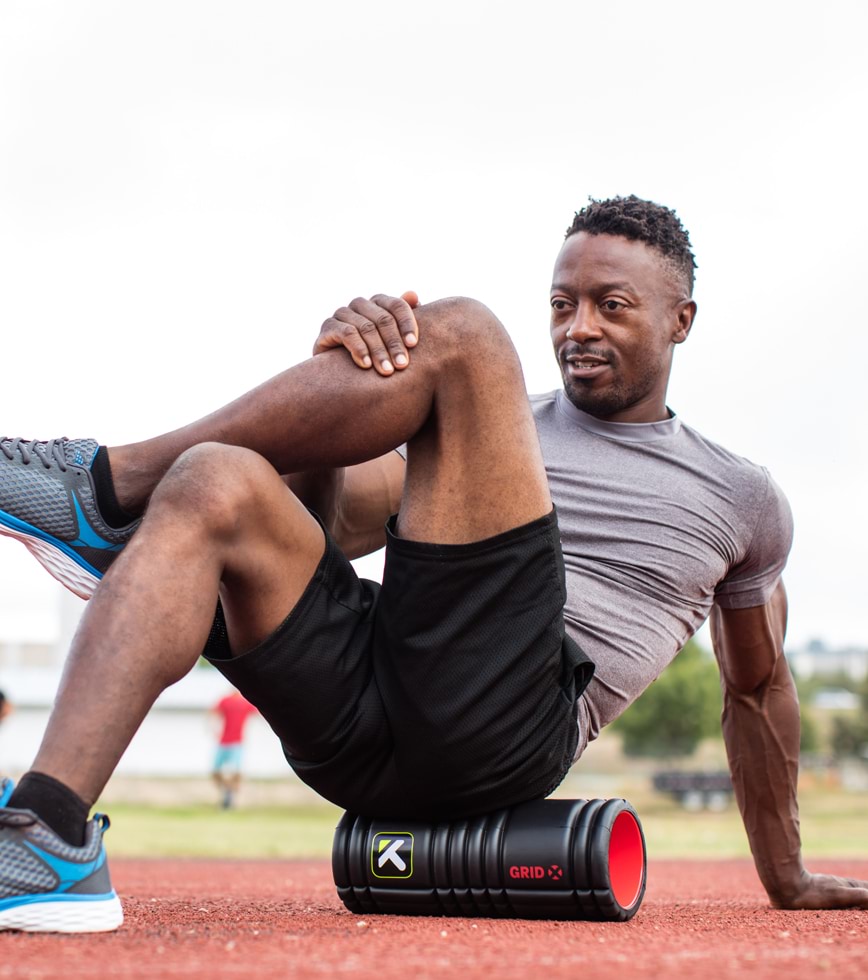
I. Relieves Muscle Tension and Soreness:
Foam rolling is an excellent technique to alleviate muscle tension and soreness, especially after an intense workout. By applying pressure to specific muscle groups, foam rolling helps break up knots, adhesions, and trigger points within the muscles, promoting increased blood flow to the area. This process not only aids in releasing muscle tension but also accelerates the removal of metabolic waste, reducing post-exercise soreness. Regular foam rolling can significantly improve muscle recovery, enabling you to bounce back faster and perform at your best.
Example 1:
Imagine you just completed a grueling leg day at the gym. Your quads feel tight, and walking up the stairs is a challenge. Grabbing a foam roller, you target your quadriceps by rolling the foam roller up and down your thighs. As you apply pressure and knead the muscles, you can feel the tension being released. The next day, you wake up feeling less sore and ready to conquer your next workout.
II. Enhances Flexibility and Range of Motion:
Flexibility is crucial for maintaining proper posture, preventing injuries, and optimizing athletic performance. Foam rolling plays a significant role in improving flexibility by targeting tight and restricted areas within muscles and fascia. By rolling slowly and deliberately across these areas, foam rolling helps break up scar tissue and adhesions, increasing muscle elasticity and joint mobility. Incorporating foam rolling into your warm-up routine can prepare your body for physical activities, allowing you to move more freely and efficiently.
Example 2:
Before attending a yoga class, you spend a few minutes foam rolling your back and shoulders. As you roll along your spine, you feel the tension and tightness gradually dissipate. Once on the yoga mat, you find that your range of motion has improved, allowing you to execute various poses with ease and grace.
III. Corrects Muscle Imbalances:
Muscle imbalances, where certain muscles are overly tight while others are weak, can lead to poor posture, compromised movement patterns, and increased risk of injuries. Foam rolling, when combined with targeted stretching and strength exercises, can help correct these imbalances. By releasing tight muscles and activating underactive muscles, foam rolling promotes better muscle balance and symmetry. Regular use of foam rollers can address muscular imbalances, contributing to improved posture and movement efficiency.
Example 3:
You have been experiencing lower back pain due to prolonged sitting at your desk job. Through consultation with a fitness professional, you learn that your hip flexors are tight and your glute muscles are weak. Following their advice, you incorporate foam rolling into your routine, focusing on your hip flexors and glutes. Over time, you notice a reduction in lower back pain, as your muscles become more balanced and supportive.
IV. Promotes Relaxation and Stress Relief:
Beyond its physical benefits, foam rolling can also have a positive impact on your mental well-being. The rhythmic motion of rolling along the muscles can induce a sense of relaxation, helping to reduce stress and anxiety. Foam rolling acts as a form of self-care, allowing you to carve out dedicated time for yourself, free from distractions. This practice can create a meditative space, enabling you to unwind and rejuven
 HEALTHANDFITNESS