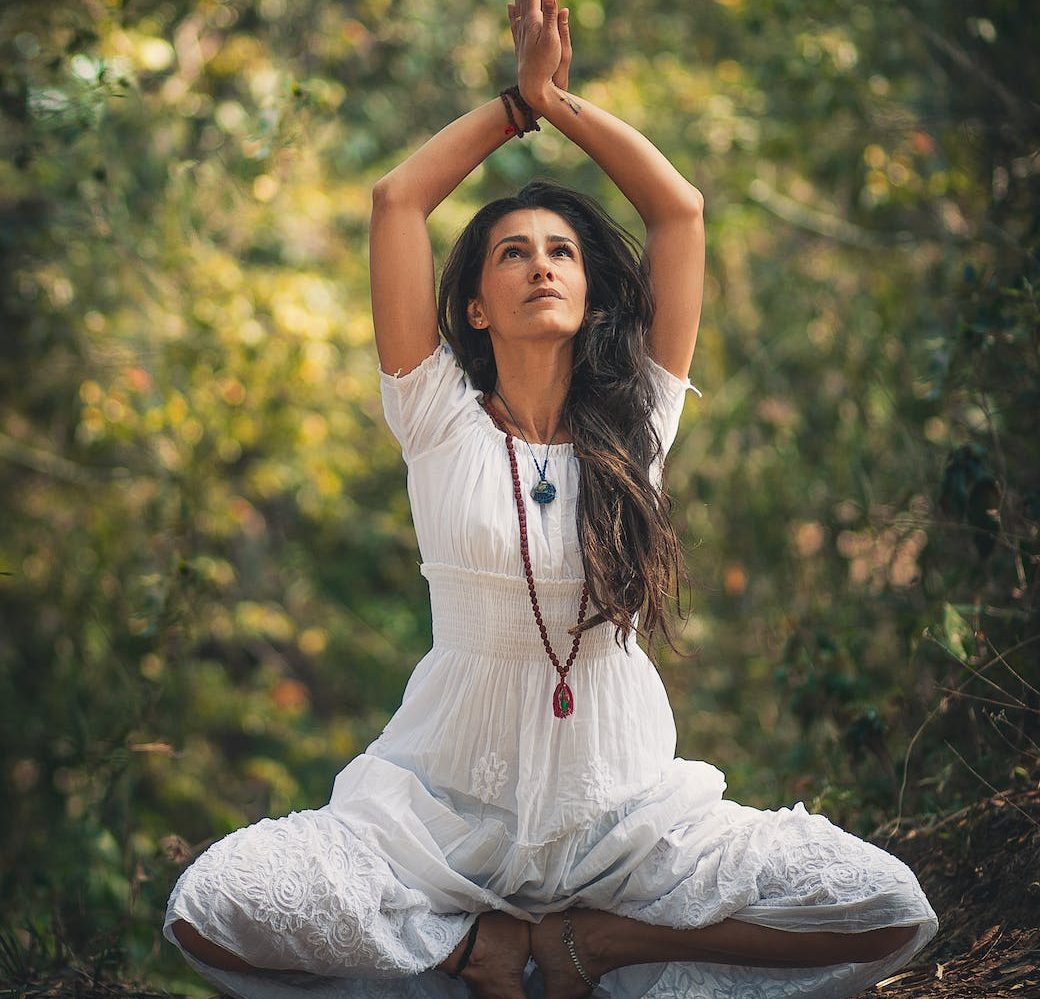
THE BENEFITS OF BODYWEIGHT WORKOUT

Title: The Benefits of Bodyweight Workouts: Exercise Anywhere, Anytime!


Introduction:
In today’s fast-paced world, finding time to hit the gym or participate in structured workout programs can be challenging. However, incorporating physical activity into our daily routine is essential for maintaining a healthy lifestyle. Enter bodyweight workouts—the perfect solution for busy individuals looking to stay fit. In this blog post, we’ll explore the numerous benefits of bodyweight exercises and provide guidance on how and where to do them, along with essential precautions to consider.


Convenience and Accessibility:
Bodyweight workouts offer unparalleled convenience and accessibility. Unlike traditional gym workouts that require specific equipment, bodyweight exercises utilize the resistance of your own body, eliminating the need for additional weights or machines. This means you can exercise anytime, anywhere—whether at home, in a hotel room, or even in a park. The versatility of bodyweight workouts allows you to maintain a consistent exercise routine regardless of your location or time constraints.


Cost-Effective Fitness:
One of the most significant advantages of bodyweight workouts is that they are incredibly cost-effective. You don’t need to invest in expensive gym memberships or fitness equipment. By utilizing your body’s weight as resistance, you can achieve excellent results without breaking the bank. Bodyweight exercises enable you to build strength, improve cardiovascular fitness, and enhance flexibility—all at no additional cost.


Full-Body Strength and Functional Fitness:
Bodyweight workouts engage multiple muscle groups simultaneously, providing a full-body workout. Exercises like push-ups, squats, lunges, planks, and burpees work various muscle groups, including the chest, arms, legs, back, and core. This comprehensive approach enhances functional fitness, helping you perform everyday activities with greater ease and reducing the risk of injury. By focusing on bodyweight exercises that mimic natural movements, you can improve your overall strength, stability, and coordination.


Adaptability and Progression:
Whether you’re a beginner or an experienced fitness enthusiast, bodyweight workouts offer adaptable options to suit all fitness levels. The variety of exercises and modifications available allows you to start at your own pace and gradually increase the difficulty as you progress. From modifying push-ups by doing knee push-ups to adding variations like handstand push-ups or pistol squats, bodyweight workouts provide endless possibilities for challenging yourself and achieving new fitness goals.


Core Stability and Balance:
Many bodyweight exercises heavily engage the core muscles, which play a crucial role in providing stability and balance. Movements like planks, mountain climbers, and leg raises strengthen the abdominal muscles, back muscles, and hip muscles, leading to improved posture, reduced back pain, and enhanced overall balance. A strong core is vital not only for fitness but also for everyday activities and preventing injuries.


How to Do Bodyweight Workouts: Where, When, and Precautions:

Choosing the Right Space: Bodyweight exercises can be performed in various settings. Select a well-ventilated space with enough room to move freely and ensure the surface is suitable for exercises like push-ups or lunges.


Warm-up and Stretching: Prioritize warming up with dynamic stretches to prepare your muscles for the workout. Incorporate exercises like arm circles, leg swings, and shoulder rolls to increase blood flow and flexibility.


Designing Your Workout: Create a balanced routine that targets different muscle groups. Include exercises like push-ups, squats, lunges, planks, burpees, and jumping jacks. Aim for a mix of strength, cardio, and flexibility exercises.


Progress Gradually: Start with easier variations of each exercise and gradually increase the difficulty level as your strength and fitness improve. Proper form is essential to prevent injuries, so focus on mastering the technique before adding intensity.

Thanks

What is Pilates and how to start

INTRODUCTION

Pilates is a form of exercise that focuses on improving strength, flexibility, and overall body awareness. It was developed by Joseph Pilates in the early 20th century and has gained popularity worldwide.

The Pilates method emphasizes controlled and precise movements combined with conscious breathing techniques. It aims to strengthen the core muscles, which include the abdominal muscles, lower back, hips, and buttocks. By strengthening the core, Pilates helps to improve posture, stability, and balance.

Pilates exercises are typically performed on a mat or using specialized equipment such as the Reformer, Cadillac, or Wunda Chair. The exercises involve a series of controlled movements that target specific muscle groups. Pilates also emphasizes the mind-body connection, promoting concentration, focus, and proper alignment.

HOW TO START PILATES

To start Pilates, follow these steps. First, find a qualified instructor or studio that offers Pilates classes. Look for certified instructors who can guide you properly. Next, choose a class or program that suits your needs and fitness level. Start with beginner-level classes to learn the foundational techniques. Wear comfortable, form-fitting clothing that allows freedom of movement. Arrive early to set up any necessary equipment. Listen to your instructor and pay attention to proper form and alignment. Focus on the core principles of Pilates, including breathing, concentration, and control. Start with basic exercises that target core strength and body awareness. Practice regularly to see progress and benefits. Be patient with yourself as Pilates takes time to master. Lastly, enjoy the journey and celebrate your achievements along the way.

The benefits of Pilates include:

  1. Core strength: Pilates helps to strengthen the deep abdominal muscles, leading to improved stability and support for the spine.
  2. Flexibility: The exercises in Pilates promote lengthening and stretching of the muscles, which can increase flexibility and range of motion.
  3. Posture: By strengthening the core muscles and improving alignment, Pilates can help correct poor posture and reduce the risk of back and neck pain.
  4. Body awareness: Pilates encourages mindfulness and concentration, promoting a greater awareness of body movements and alignment.
  5. Injury prevention and rehabilitation: Pilates exercises can be modified to accommodate different fitness levels and can be beneficial for injury prevention and rehabilitation.
  6. Stress relief: The focus on breathing and concentration in Pilates can help reduce stress and promote relaxation.

Pilates is suitable for people of various fitness levels and can be customized to individual needs and goals. It is often recommended for individuals looking to improve their overall strength, flexibility, and posture while also developing a mind-body connection.

Thanks

HOW to get fit without gym membership

Getting fit without a gym membership is absolutely possible. Here are some ways you can improve your fitness without access to a gym:

  1. Bodyweight exercises: Engage in exercises that utilize your own body weight for resistance. Examples include push-ups, squats, lunges, planks, burpees, and mountain climbers. These exercises help build strength and improve overall fitness.
  2. Cardiovascular exercises: Incorporate activities that elevate your heart rate and increase your endurance. Options include jogging or running outdoors, cycling, swimming (if you have access to a pool), jumping rope, or high-intensity interval training (HIIT) workouts at home.
  3. Outdoor activities: Take advantage of outdoor spaces for exercise. Activities such as hiking, trail running, biking, or playing sports like soccer, basketball, or tennis can provide a fun and effective workout.
  4. Home workout routines: Create a dedicated space at home for workouts. Follow online workout videos or use fitness apps that offer a variety of routines for different fitness levels and goals. You can find routines that focus on strength training, yoga, Pilates, or other exercises that suit your preferences.
  5. Resistance bands: Invest in resistance bands, which are affordable and versatile fitness tools. They can be used to mimic weightlifting exercises, providing resistance for muscle strengthening.
  6. Calisthenics: Explore the world of calisthenics, which involves using your bodyweight for strength and flexibility training. Learn exercises like handstands, pull-ups, dips, and leg raises, gradually progressing as you build strength.
  7. Walking: Incorporate regular walks into your routine. Aim for brisk walks or longer distances to improve cardiovascular health and burn calories.
  8. Stairs and hills: Utilize staircases or hills in your area for cardio workouts. Climbing stairs or hill sprints provide an excellent lower body workout and boost cardiovascular fitness.
  9. Online resources: Take advantage of the vast array of online resources available. Access workout plans, exercise tutorials, and nutrition tips to help you design a fitness routine that suits your goals.
  10. Consistency and accountability: Establish a consistent exercise schedule and hold yourself accountable. Set realistic goals and track your progress to stay motivated and committed to your fitness journey.

Remember to prioritize safety during your workouts. Warm up before exercising, maintain proper form, and listen to your body to avoid injury. Stay hydrated, eat a balanced diet, and get enough rest to support your fitness efforts.

Thanks for your comments

Design a site like this with WordPress.com
Get started