
Weight loss

Weight loss

Weight loss is a journey that requires a combination of a balanced diet, regular exercise, and healthy lifestyle changes. One of the most effective ways to lose weight is by reducing your daily calorie intake. It’s important to note that one pound of fat contains 3,500 calories, so cutting your calorie intake by 500 calories per day on average should result in losing 1 pound per week. However, it’s crucial not to reduce your calorie intake too drastically as this can lead to negative side effects like dizziness, extreme hunger, nausea, micronutrient deficiencies, fatigue, headaches, and gallstones. For most cisgender females, a daily caloric intake of at least 1,600 is needed to maintain their weight, while cisgender males need at least 2,000.

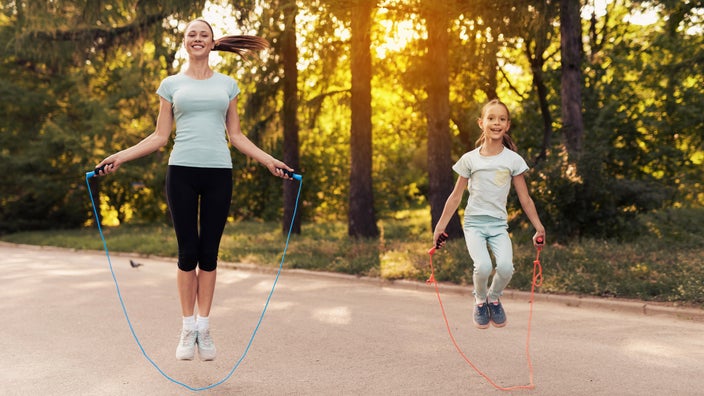
In addition to dieting, exercising is another common weight loss strategy. Some of the best exercises for weight loss include jogging, running, interval training, cycling, weight training, swimming, and Pilates. For instance, high-intensity interval training (HIIT) can burn 25-30% more calories per minute than other types of exercises, including weight training, cycling, and running on a treadmill. Weight training can also help you build strength and promote muscle growth, which can raise your resting metabolic rate (RMR), or how many calories your body burns at rest. Swimming is a great low impact exercise that’s easier on your joints, making it a great option for people who have injuries or joint pain.

When it comes to diet, it’s recommended to consume foods that support a healthy weight loss journey. These include eggs, leafy greens, fish, cruciferous vegetables, chicken breast and some lean meats, potatoes and other root vegetables, beans and legumes, and soups. Foods that can help burn belly fat include chia seeds, grapefruit, legumes and beans, oats/oatmeal, green leafy vegetables, kiwi fruit, cayenne pepper, and avocado.

Lastly, it’s important to make smart choices and set realistic goals. Understand how much and why you eat, manage portion sizes, and be physically active. Also, planning your meals, turning off technology during meal times, and keeping active can contribute to effective weight loss. Remember, weight loss is a gradual process and it’s important to lose weight safely and healthily.

Title: Exploring Masturbation: Myths, Facts, and Self-Discovery

Introduction:

Control masturbate

Masturbation is a natural and common aspect of human sexuality that has been surrounded by a range of myths and misconceptions throughout history. In this article, we will delve into the topic, separating fact from fiction and discussing the physical and psychological aspects of this often-taboo subject.

The Basics:

Masturbation, the act of self-stimulation to achieve sexual pleasure, is a normal part of human sexual development. It is not limited to a specific gender, age, or sexual orientation. Many individuals discover masturbation during adolescence, exploring their bodies and understanding their sexual responses.

Health Benefits:

Contrary to some myths, masturbation has several potential health benefits. It can promote relaxation, reduce stress, and help improve sleep quality. Additionally, it may contribute to sexual well-being by enhancing mood and reducing menstrual cramps in individuals with vaginas. For many, masturbation is a safe and healthy way to explore their own bodies and understand their sexual preferences.

Dispelling Myths:

Several misconceptions surround masturbation, leading to feelings of guilt or shame. It’s crucial to dispel these myths and foster a healthy understanding of one’s sexuality. Masturbation does not cause physical harm, does not lead to infertility, and is not associated with negative mental health effects. It is a personal choice that varies among individuals.

Normalizing Conversation:

Open communication about masturbation is essential for breaking down societal stigmas. Discussing it with partners, friends, or healthcare professionals can contribute to a more informed and comfortable attitude towards one’s sexual health. Encouraging open conversations helps normalize the diverse ways individuals experience and express their sexuality.

Consent and Boundaries:

Understanding and respecting personal boundaries is crucial in any discussion about sexuality. While masturbation is a personal choice, it’s important to be aware of cultural, religious, or individual beliefs that may influence one’s views on the subject. Open and consensual communication ensures a healthy approach to self-exploration.

Common Concerns:

Some individuals may have concerns about the frequency of their masturbation habits. It’s essential to recognize that there is no “normal” frequency, as it varies widely among individuals. Only when masturbation interferes with daily activities or becomes a source of distress should it be addressed with a healthcare professional.

Conclusion:

Masturbation is a natural and healthy aspect of human sexuality that deserves open and informed discussions. Breaking down myths and fostering understanding contributes to a positive sexual culture, promoting self-discovery, well-being, and healthy relationships. Embracing a respectful and non-judgmental attitude towards masturbation can lead to a more fulfilling and liberated approach to one’s sexual identity.

How to stay healthy and active in winter months

Title: Embrace the Winter Chill: Stay Active and Healthy During the Cold Months

Winter workout


Introduction:
As winter approaches, it’s tempting to hibernate indoors and let our fitness and health routines slide. However, maintaining an active and healthy lifestyle during the winter months is crucial for our overall well-being. With a little motivation and a few adjustments, you can thrive even when the temperature drops. Let’s explore some practical tips to help you stay active and healthy this winter.

Weight loss tips

Embrace Indoor Workouts:
When it’s cold outside, it’s time to bring your exercise routine indoors. Join a local gym or fitness center that offers a variety of classes, such as yoga, indoor cycling, or HIIT workouts. Alternatively, invest in home workout equipment or follow online fitness programs. Set a regular schedule, and make exercise a priority even on the coldest days.


Try Winter Sports:
Instead of avoiding the outdoors altogether, consider trying winter sports. Activities like skiing, snowboarding, ice skating, or snowshoeing provide an excellent opportunity to stay active while enjoying the winter scenery. These activities engage different muscle groups and offer a fun way to break the monotony of traditional workouts.

Weight loss tips

Bundle Up and Take a Walk:
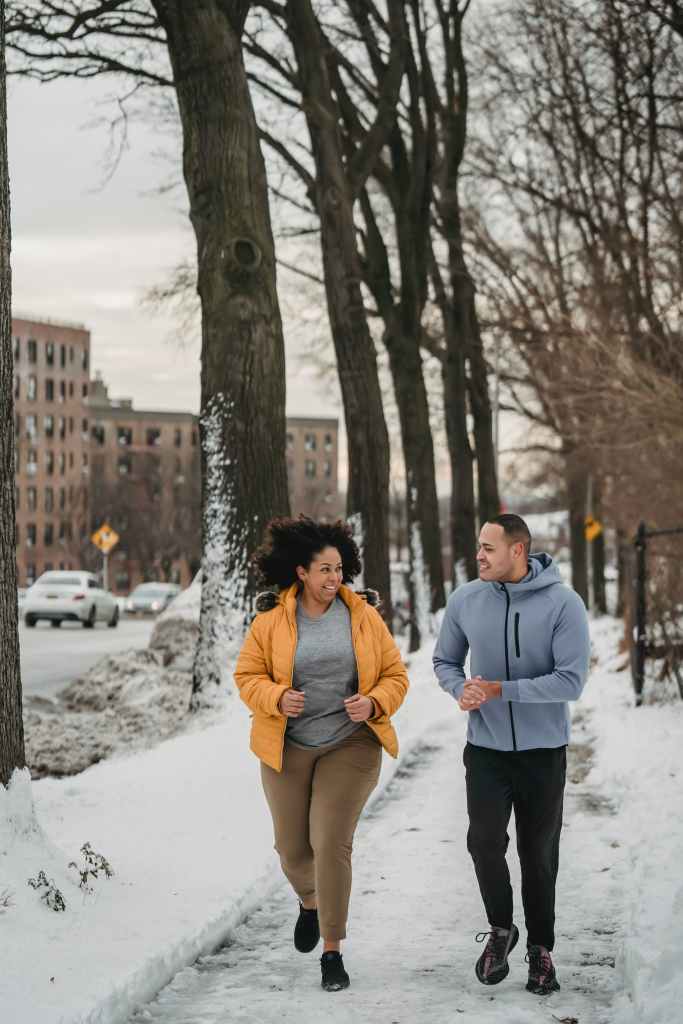
If winter sports aren’t your cup of tea, don’t underestimate the power of a brisk walk. Dress in layers, wear warm socks and shoes, and explore your local neighborhood or nearby parks. Walking not only keeps you active but also exposes you to natural light, which can boost your mood and combat seasonal affective disorder (SAD).


Stay Hydrated:
During winter, we often forget to drink enough water since we don’t feel as thirsty as we do in the warmer months. However, staying hydrated is just as important in winter as it is in summer. Keep a reusable water bottle with you and aim for at least eight glasses of water per day. Hydration helps maintain energy levels, aids digestion, and supports overall well-being.


Prioritize Nutritious Winter Foods:
Winter brings an array of delicious seasonal fruits and vegetables, so take advantage of them. Incorporate warming and nourishing foods into your diet, such as soups, stews, roasted root vegetables, and citrus fruits packed with vitamin C. These foods not only provide essential nutrients but also help strengthen your immune system to ward off winter illnesses.

How to loss weight within 30 days

Boost Your Immune System:
To avoid falling prey to winter bugs, prioritize immune-boosting habits. Get plenty of restful sleep, manage stress levels, and consider taking vitamin supplements, particularly vitamin D, which can be deficient during winter due to decreased sunlight exposure. Additionally, practice good hygiene, such as washing hands regularly and avoiding close contact with sick individuals.


Practice Self-Care:
Winter can sometimes make us feel sluggish and unmotivated. Combat these feelings by incorporating self-care into your routine. Take warm baths, indulge in relaxation techniques like meditation or deep breathing exercises, or treat yourself to a massage or spa day. Prioritizing self-care not only improves your mental well-being but also helps you stay motivated to maintain an active and healthy lifestyle.

How to check you are fit or fat

Conclusion:
Don’t let the winter months derail your health and fitness goals. By embracing indoor workouts, trying winter sports, staying hydrated, prioritizing nutritious foods, boosting your immune system, and practicing self-care, you can stay active, healthy, and motivated during the cold season. Remember, consistency is key, so make a plan, stay committed, and enjoy the winter months while taking care of your mind and body.

Continue reading “How to stay healthy and active in winter months”
Design a site like this with WordPress.com
Get started