
Title: “Thriving in a Sedentary Workspace: A Guide to Staying Healthy and Fit”

Introduction: In the modern era, many of us find ourselves spending a significant portion of our day in sedentary jobs, often glued to our desks. While these jobs are essential, they can pose challenges to our overall health and fitness. However, with some intentional habits and lifestyle changes, it’s possible to maintain a healthy and fit lifestyle even in a sedentary work environment.

  1. Move it or Lose it: Incorporating Physical Activity Embrace the power of short breaks. Set a timer to remind yourself to stand up, stretch, or take a brisk walk around the office. These simple movements can improve circulation, reduce stiffness, and boost your energy levels.
  2. Deskercise: Exercise at Your Desk Integrate discreet exercises into your work routine. Simple activities like seated leg lifts, chair squats, or desk push-ups can be done without drawing too much attention. These exercises help engage various muscle groups and prevent stiffness.
  3. Ergonomics Matter: Optimize Your Workspace Ensure your desk and chair are set up ergonomically. A proper chair height and computer monitor placement can significantly impact your posture and reduce the risk of discomfort or injury. Invest in ergonomic accessories if needed.
  4. Posture Perfect: Sitting Right Maintain good posture throughout the day. Sit with your back straight, shoulders relaxed, and feet flat on the floor. Consider using a lumbar support cushion to promote a healthy spine alignment.
  5. Hydration and Nutrition: Fuel Your Body Stay hydrated by drinking water regularly. Avoid excessive consumption of sugary drinks or caffeinated beverages. Pack nutritious snacks like fruits, nuts, or yogurt to keep your energy levels steady and avoid unhealthy office snacks.
  6. Mindful Eating: Avoid Desk Dining Create a habit of taking breaks away from your desk during lunch. Enjoying your meal in a different environment helps you relax and fosters better digestion. Use this time to recharge mentally and physically.
  7. Schedule Fitness Into Your Day Set aside dedicated time for exercise outside of work hours. Whether it’s hitting the gym, going for a run, or attending a fitness class, making physical activity a non-negotiable part of your routine is crucial for overall well-being.
  8. Tech Tools for Fitness: Apps and Wearables Leverage technology to your advantage. Explore fitness apps and wearables that encourage movement, track your activity, and provide reminders to stand or stretch.

Conclusion: Balancing a sedentary job with a healthy and fit lifestyle requires intention and consistency. By incorporating these tips into your daily routine, you can proactively take charge of your well-being and thrive in a sedentary workspace. Remember, small changes add up, and prioritizing your health is an investment that pays dividends in the long run
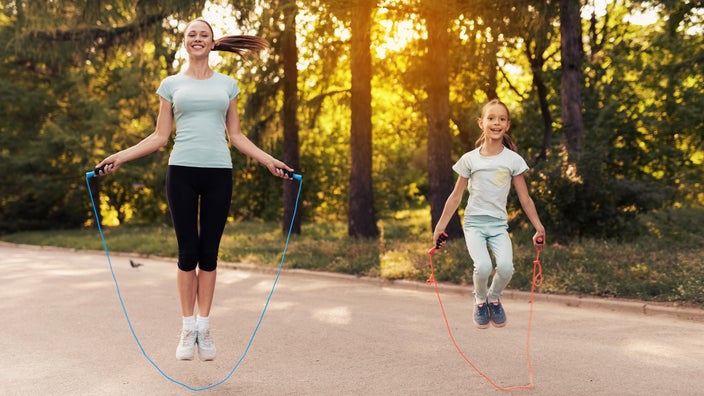

THE benefits of jump rope workouts

Jump rope workouts offer numerous benefits for physical fitness and overall health. Here are some of the key advantages:

Jump rope
  1. Cardiovascular Fitness: Jumping rope is an excellent aerobic exercise that elevates your heart rate, improves cardiovascular endurance, and strengthens the heart and lungs. It effectively burns calories, contributing to weight loss and improved overall fitness.
  2. Full-Body Workout: Jumping rope engages multiple muscle groups, including the legs, core, arms, and shoulders. It helps tone and strengthen these muscles, providing a full-body workout. It also enhances coordination and agility.
  3. Bone Strength: Jumping rope is a weight-bearing exercise, which helps promote bone density and strength. Regular rope jumping can reduce the risk of osteoporosis and improve bone health.
  4. Portable and Time-Efficient: Jumping rope requires minimal equipment and can be done almost anywhere. It’s a highly convenient exercise that saves time, as even short sessions can provide substantial benefits.
  5. Improved Balance and Coordination: The rhythmic jumping motion enhances coordination and balance. It requires you to synchronize footwork with hand movements, enhancing overall motor skills and body control.
  6. Enhanced Stamina and Endurance: Consistent jump rope workouts gradually improve stamina and endurance levels. Over time, you’ll notice increased energy and improved performance in other physical activities.
  7. Mental Health Benefits: Jumping rope releases endorphins, which can elevate mood and reduce stress. Regular exercise has been linked to improved mental well-being, increased focus, and reduced symptoms of anxiety and depression.
  8. Versatility and Variety: Jump rope workouts offer various exercise options. You can adjust intensity, try different techniques, incorporate intervals or circuit training, and even join group activities like double-dutch or freestyle jumping.
  9. Low Impact: Jumping rope is relatively low-impact compared to activities like running, making it a suitable choice for individuals with joint issues or those seeking a lower-impact workout option. Proper technique and landing softly can help minimize stress on joints.
  10. Affordable: Jump ropes are inexpensive and widely available, making it an affordable fitness tool for people of all ages and fitness levels.

Remember to start slowly if you’re new to jump rope workouts, gradually increasing intensity and duration as you build strength and endurance. If you have any underlying health concerns, it’s always a good idea to consult with a healthcare professional before starting a new exercise routine.

THE BENEFITS OF FOAM ROLLING

Title: Foam Rolling: Unleashing the Benefits for Your Body and Mind


Introduction:
In the pursuit of a healthy and active lifestyle, we often encounter various methods and tools that promise to enhance our physical well-being. One such tool that has gained immense popularity in recent years is foam rolling. With its ability to provide targeted self-myofascial release, foam rolling has become a staple in fitness centers, physical therapy clinics, and even home workout routines. In this blog, we will delve into the world of foam rolling and explore its numerous benefits for both the body and mind.


I. Relieves Muscle Tension and Soreness:
Foam rolling is an excellent technique to alleviate muscle tension and soreness, especially after an intense workout. By applying pressure to specific muscle groups, foam rolling helps break up knots, adhesions, and trigger points within the muscles, promoting increased blood flow to the area. This process not only aids in releasing muscle tension but also accelerates the removal of metabolic waste, reducing post-exercise soreness. Regular foam rolling can significantly improve muscle recovery, enabling you to bounce back faster and perform at your best.


Example 1:
Imagine you just completed a grueling leg day at the gym. Your quads feel tight, and walking up the stairs is a challenge. Grabbing a foam roller, you target your quadriceps by rolling the foam roller up and down your thighs. As you apply pressure and knead the muscles, you can feel the tension being released. The next day, you wake up feeling less sore and ready to conquer your next workout.


II. Enhances Flexibility and Range of Motion:
Flexibility is crucial for maintaining proper posture, preventing injuries, and optimizing athletic performance. Foam rolling plays a significant role in improving flexibility by targeting tight and restricted areas within muscles and fascia. By rolling slowly and deliberately across these areas, foam rolling helps break up scar tissue and adhesions, increasing muscle elasticity and joint mobility. Incorporating foam rolling into your warm-up routine can prepare your body for physical activities, allowing you to move more freely and efficiently.


Example 2:
Before attending a yoga class, you spend a few minutes foam rolling your back and shoulders. As you roll along your spine, you feel the tension and tightness gradually dissipate. Once on the yoga mat, you find that your range of motion has improved, allowing you to execute various poses with ease and grace.


III. Corrects Muscle Imbalances:
Muscle imbalances, where certain muscles are overly tight while others are weak, can lead to poor posture, compromised movement patterns, and increased risk of injuries. Foam rolling, when combined with targeted stretching and strength exercises, can help correct these imbalances. By releasing tight muscles and activating underactive muscles, foam rolling promotes better muscle balance and symmetry. Regular use of foam rollers can address muscular imbalances, contributing to improved posture and movement efficiency.


Example 3:
You have been experiencing lower back pain due to prolonged sitting at your desk job. Through consultation with a fitness professional, you learn that your hip flexors are tight and your glute muscles are weak. Following their advice, you incorporate foam rolling into your routine, focusing on your hip flexors and glutes. Over time, you notice a reduction in lower back pain, as your muscles become more balanced and supportive.


IV. Promotes Relaxation and Stress Relief:
Beyond its physical benefits, foam rolling can also have a positive impact on your mental well-being. The rhythmic motion of rolling along the muscles can induce a sense of relaxation, helping to reduce stress and anxiety. Foam rolling acts as a form of self-care, allowing you to carve out dedicated time for yourself, free from distractions. This practice can create a meditative space, enabling you to unwind and rejuven

Design a site like this with WordPress.com
Get started