
I am sending you 1π! Pi is a new digital currency developed by Stanford PhDs, with over 47 million members worldwide. To claim your Pi, follow this link https://minepi.com/JARIVN and use my username (JARIVN) as your invitation code.
BUILDING A HOME GYM ON A BUDGET
Building a home gym on a budget is a great way to save money on gym memberships and have the convenience of working out at home. Here are some tips on how to build a home gym on a budget:
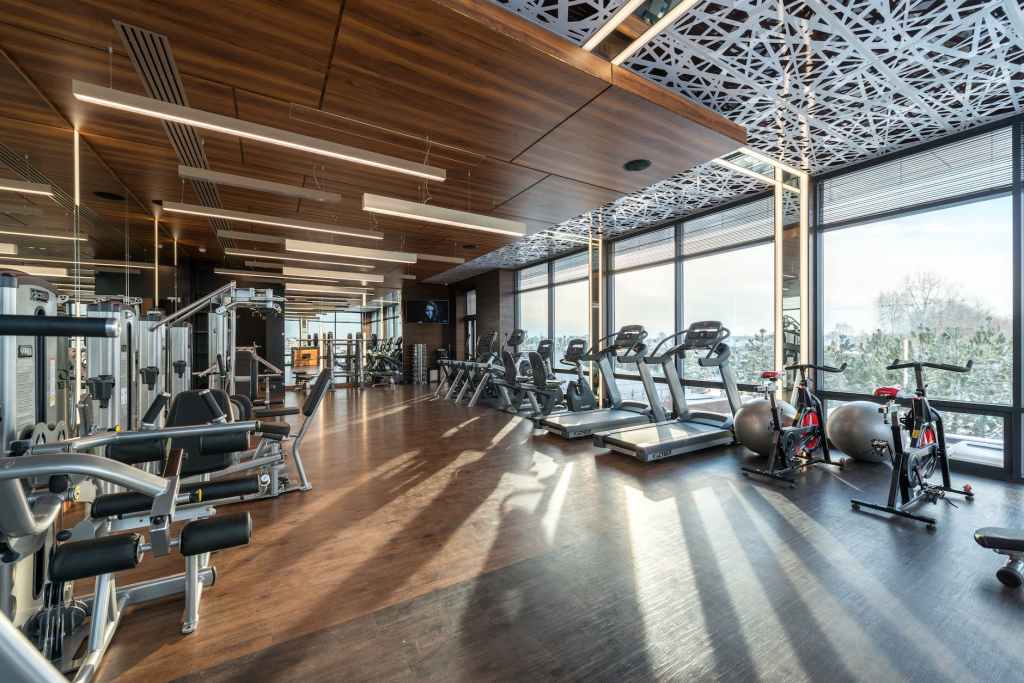
Define your fitness goals: Determine what type of workouts you want to do and the equipment you’ll need. This will help you focus on essential items and avoid unnecessary expenses.
Set a budget: Determine how much you can afford to spend on your home gym. This will help you prioritize your purchases and avoid overspending.
Look for secondhand equipment: Check online marketplaces, classified ads, garage sales, and thrift stores for used fitness equipment. Many people sell their lightly used equipment at a fraction of the original price. Look for reputable brands that offer durability.
Start with the basics: Begin with the essential equipment that allows for a wide variety of exercises. Some key items to consider are:
Dumbbells: Adjustable dumbbells or a set of different weights will provide versatility.
Resistance bands: These are affordable and can be used for strength training exercises.
Jump rope: It’s inexpensive and great for cardio workouts.
Stability ball: It can be used for core exercises, stretching, and balance training.
Utilize bodyweight exercises: You can achieve a full-body workout without any equipment using exercises that utilize your body weight, such as push-ups, squats, lunges, planks, and burpees.
DIY alternatives: Consider creating your own equipment using household items. For example, you can use milk jugs filled with water or sand as weights, or use a sturdy chair for step-ups or tricep dips.
Focus on multi-purpose equipment: Look for equipment that allows you to perform multiple exercises. For example, a pull-up bar can be used for pull-ups, chin-ups, and as an anchor point for resistance bands.
Prioritize safety: While building your home gym on a budget, ensure that you invest in proper safety equipment like a workout mat for floor exercises and gloves for weightlifting to prevent injuries.
Use free resources: Take advantage of free workout videos, fitness apps, and online resources that offer exercise routines and guidance. There are many options available that can help you structure your workouts effectively.
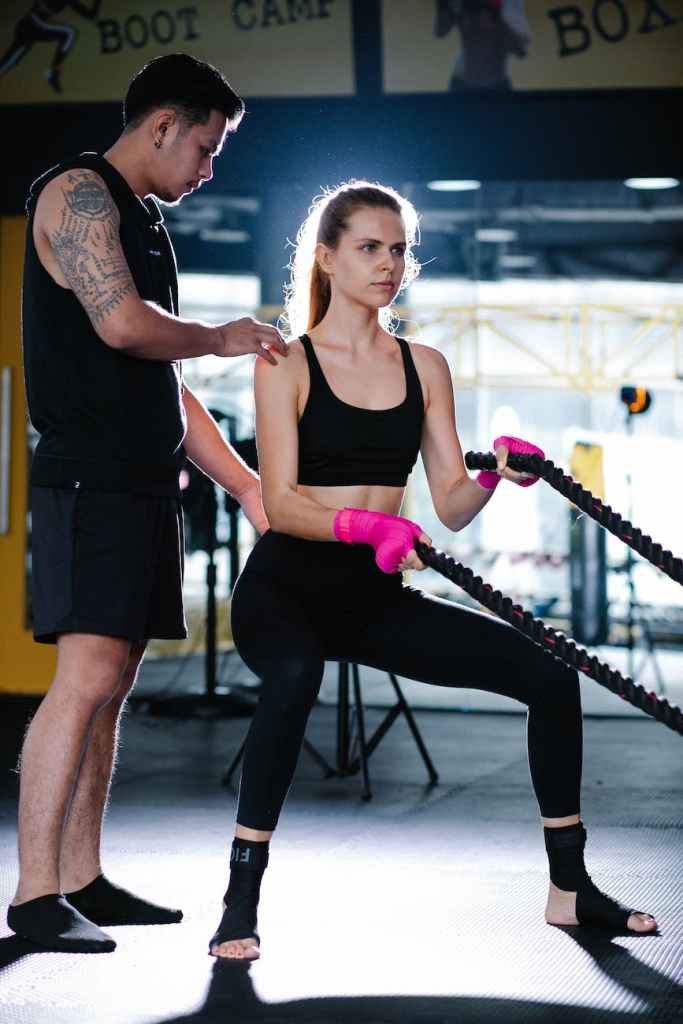
Gradually expand: As your budget allows, gradually add new equipment to your home gym. This will allow you to diversify your workouts and avoid overspending all at once.
Remember, building a home gym on a budget requires some creativity and patience. Focus on the essentials, prioritize your fitness goals, and be resourceful in finding affordable options. With time, you can create a functional and effective home gym without breaking the bank.
💞❣️Thank you 💞❣️
Please follow me for my upcoming Blog posts
Cycling is a good for workout
Cycling offers numerous benefits for both physical and mental well-being. Here are some of the key advantages of cycling:

- Physical fitness: Cycling is a great form of cardiovascular exercise that helps improve your overall fitness level. Regular cycling strengthens your heart, lungs, and muscles, leading to increased endurance, stamina, and improved aerobic capacity.Weight management: Cycling is an effective way to burn calories, making it helpful for weight management. It can assist in burning body fat, increasing metabolism, and maintaining a healthy body weight.Joint-friendly exercise: Compared to high-impact activities like running, cycling is relatively low-impact, meaning it puts less stress on your joints. It is a suitable exercise for people of different fitness levels, including those with joint problems or injuries.Strength and muscle tone: Cycling engages various muscle groups, including the legs, thighs, hips, core, and even the upper body. Regular cycling can help strengthen and tone these muscles, contributing to improved overall strength and a more defined physique.Improved cardiovascular health: Cycling is excellent for your heart health. It boosts circulation, reduces the risk of heart diseases, lowers blood pressure, and improves cholesterol levels. Regular cycling can significantly enhance your cardiovascular system’s efficiency.Mental well-being: Cycling is not only beneficial for the body but also for the mind. It promotes the release of endorphins, often referred to as “feel-good” hormones, which can improve mood, reduce stress, anxiety, and symptoms of depression. Cycling outdoors also provides an opportunity to connect with nature and enjoy the surroundings, further enhancing mental well-being.Joint mobility and flexibility: Cycling involves repetitive pedaling motions, which can help improve joint mobility and increase flexibility. It particularly benefits the hip and knee joints, promoting better range of motion and reducing stiffness.Reduced risk of chronic diseases: Regular cycling is associated with a lower risk of developing chronic conditions such as obesity, type 2 diabetes, certain types of cancer, and heart disease. It can also help manage existing conditions and improve overall health outcomes.Increased energy levels: Engaging in regular cycling can boost energy levels and combat feelings of fatigue. As you improve your fitness and stamina, you’ll likely notice increased energy throughout the day.Eco-friendly transportation: Opting for cycling as a means of transportation reduces your carbon footprint and contributes to environmental sustainability. Choosing the bike over a car for short trips can help reduce air pollution and traffic congestion.
Remember to start slowly and gradually increase the intensity and duration of your cycling sessions. If you have any underlying health concerns, it’s always a good idea to consult with a healthcare professional before starting a new exercise regimen.
 HEALTHANDFITNESS