
Staying fit during pregnancy is important for maintaining your overall health and well-being. However, it’s crucial to consult with your healthcare provider before starting or continuing any exercise routine during pregnancy, as individual circumstances may vary. With that in mind, here are some general tips for staying fit while pregnant:

- Consult your healthcare provider: Before starting any exercise program, discuss your plans with your healthcare provider. They can provide personalized advice based on your medical history and any potential risks or complications.
- Exercise regularly: Engage in regular physical activity, aiming for at least 150 minutes of moderate-intensity aerobic exercise per week. Walking, swimming, stationary cycling, and prenatal yoga are generally safe options for most pregnant women.
- Warm up and cool down: Before exercising, warm up your muscles with gentle movements and stretches. Similarly, cool down and stretch after each session to prevent muscle soreness and promote flexibility.
- Modify your workouts: As your pregnancy progresses, you may need to modify certain exercises to accommodate your growing belly and changing body. Avoid exercises that involve lying flat on your back after the first trimester, as it can restrict blood flow to the baby.
- Stay hydrated: Drink plenty of water before, during, and after your workouts to stay properly hydrated. Dehydration can increase the risk of overheating and premature contractions.
- Listen to your body: Pay attention to your body’s signals and adjust your activities accordingly. If something feels uncomfortable or causes pain, stop and consult your healthcare provider.
- Choose low-impact exercises: Opt for low-impact exercises that reduce stress on your joints and minimize the risk of injury. Swimming, prenatal yoga, stationary biking, and using an elliptical machine are gentle on the joints.
- Strengthen your core and pelvic floor: Strengthening your core and pelvic floor muscles can help support your growing belly, reduce lower back pain, and prepare you for childbirth. Consult with a prenatal fitness specialist or physical therapist for safe exercises.
- Wear supportive clothing: Invest in comfortable and supportive maternity workout clothes and a well-fitted sports bra to provide proper support to your changing body.
- Monitor warning signs: Be aware of any warning signs during exercise, such as dizziness, shortness of breath, chest pain, vaginal bleeding, or fluid leakage. If you experience any of these symptoms, stop exercising and seek medical attention immediately.

Remember, every pregnancy is unique, and what works for one woman may not work for another. Always consult your healthcare provider for personalized advice and guidance throughout your pregnancy journey.
Necessary and important nutrients for pregnant women
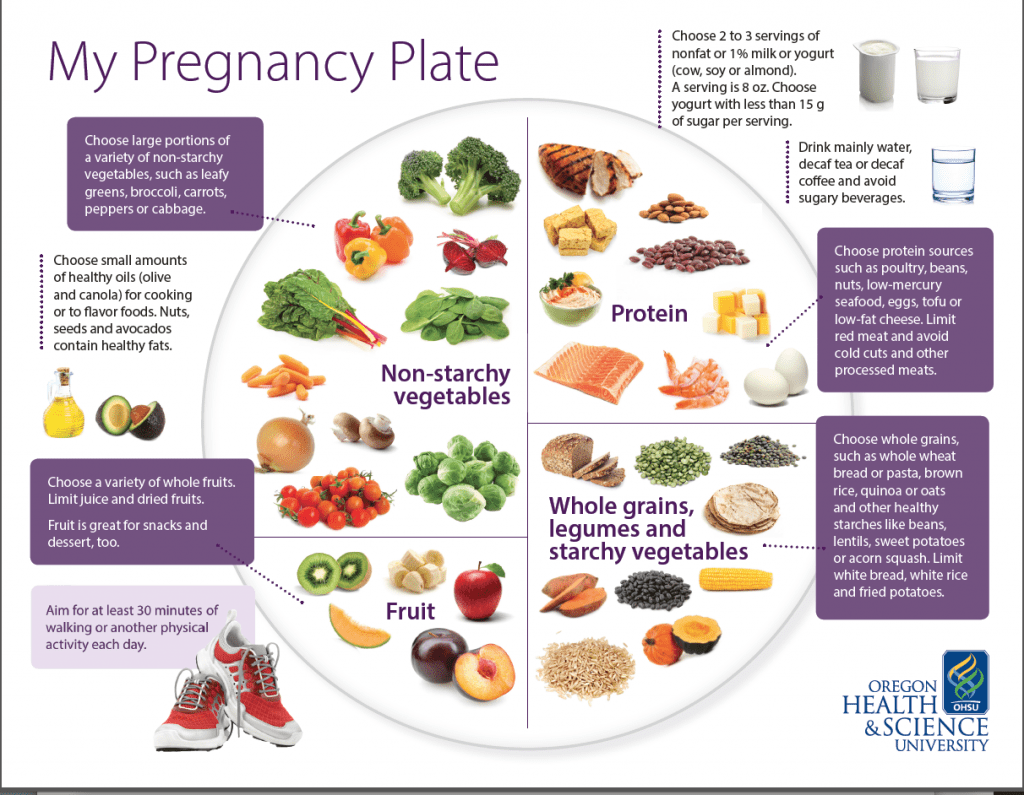
Certainly! Here’s a list of important nutrients for pregnant women and their food sources:
- Folic Acid:
- Food Sources: Leafy greens (spinach, kale), citrus fruits (oranges, lemons), legumes (beans, lentils), fortified cereals.
- Calcium:
- Food Sources: Dairy products (milk, yogurt, cheese), fortified plant-based milk (soy milk, almond milk), tofu, broccoli.
- Iron:
- Food Sources: Lean meats (beef, pork, lamb), poultry (chicken, turkey), fish (salmon, tuna), legumes (beans, lentils), spinach, fortified cereals.
- Protein:
- Food Sources: Lean meats (beef, poultry, pork), fish (salmon, tuna), eggs, dairy products (milk, yogurt, cheese), legumes (beans, lentils), quinoa.
- Omega-3 Fatty Acids:
- Food Sources: Fatty fish (salmon, mackerel, sardines), walnuts, flaxseeds, chia seeds.
- Vitamin D:
- Food Sources: Fatty fish (salmon, mackerel), fortified dairy products (milk, yogurt, cheese), fortified plant-based milk, egg yolks.
- Vitamin C:
- Food Sources: Citrus fruits (oranges, grapefruits), strawberries, kiwi, bell peppers, broccoli.
- Vitamin B12:
- Food Sources: Animal products (meat, poultry, fish, eggs), dairy products (milk, cheese, yogurt), fortified plant-based milk, fortified cereals.
- Zinc:
- Food Sources: Lean meats (beef, pork, lamb), poultry (chicken, turkey), fish (salmon, tuna), legumes (beans, lentils), whole grains.
- Iodine:
- Food Sources: Iodized salt, seafood (fish, shrimp, seaweed), dairy products (milk, cheese), fortified plant-based milk.
It’s important to consume a varied and balanced diet to ensure you get all the necessary nutrients during pregnancy. Additionally, consult with a healthcare provider for personalized advice and consider taking prenatal supplements as recommended.
Some common problems faced by women during pregnancy
During pregnancy, women may experience various common problems. It’s important to note that every pregnancy is different, and women should always consult with their healthcare provider for personalized advice. Here are some common problems faced by women during pregnancy, along with potential solutions:
- Morning Sickness/Nausea: Many women experience nausea and vomiting, especially during the first trimester. Solutions include:
- Eating small, frequent meals to avoid an empty stomach.
- Consuming ginger, either in the form of ginger tea or ginger candies.
- Avoiding triggers like strong smells or certain foods.
- Trying acupressure bands that stimulate pressure points on the wrists.
- Fatigue: Pregnancy can cause increased fatigue due to hormonal changes and the body’s extra energy demands. Solutions include:
- Getting plenty of rest and sleep.
- Prioritizing self-care and relaxation.
- Engaging in light exercise or prenatal yoga, with the approval of a healthcare provider.
- Eating a balanced diet and staying hydrated.
- Back Pain: As the pregnancy progresses, the growing belly can put strain on the back. Solutions include:
- Maintaining good posture and avoiding standing or sitting for long periods.
- Wearing supportive shoes and avoiding high heels.
- Using a pregnancy pillow or placing a pillow between the knees while sleeping.
- Gentle stretching exercises and prenatal yoga can help strengthen the back muscles.
- Heartburn/Indigestion: Hormonal changes and the pressure from the growing uterus can cause acid reflux and heartburn. Solutions include:
- Eating smaller, more frequent meals.
- Avoiding spicy, greasy, or acidic foods.
- Sitting upright after meals and not lying down immediately.
- Consulting a healthcare provider about safe antacids or medications if needed.
- Swollen Feet and Ankles: Swelling, also known as edema, is common during pregnancy. Solutions include:
- Elevating the legs whenever possible.
- Wearing comfortable, supportive shoes and avoiding tight socks or stockings.
- Avoiding standing or sitting for prolonged periods.
- Regularly exercising and maintaining a healthy weight gain during pregnancy.
- Constipation: Hormonal changes and the pressure on the intestines can cause constipation. Solutions include:
- Eating a high-fiber diet with plenty of fruits, vegetables, and whole grains.
- Staying hydrated by drinking an adequate amount of water.
- Engaging in light physical activity, such as walking, to stimulate bowel movements.
- Consulting a healthcare provider about safe stool softeners or laxatives if needed.
Remember, it is essential for pregnant women to discuss any concerns or problems with their healthcare provider for proper evaluation and guidance.


 HEALTHANDFITNESS