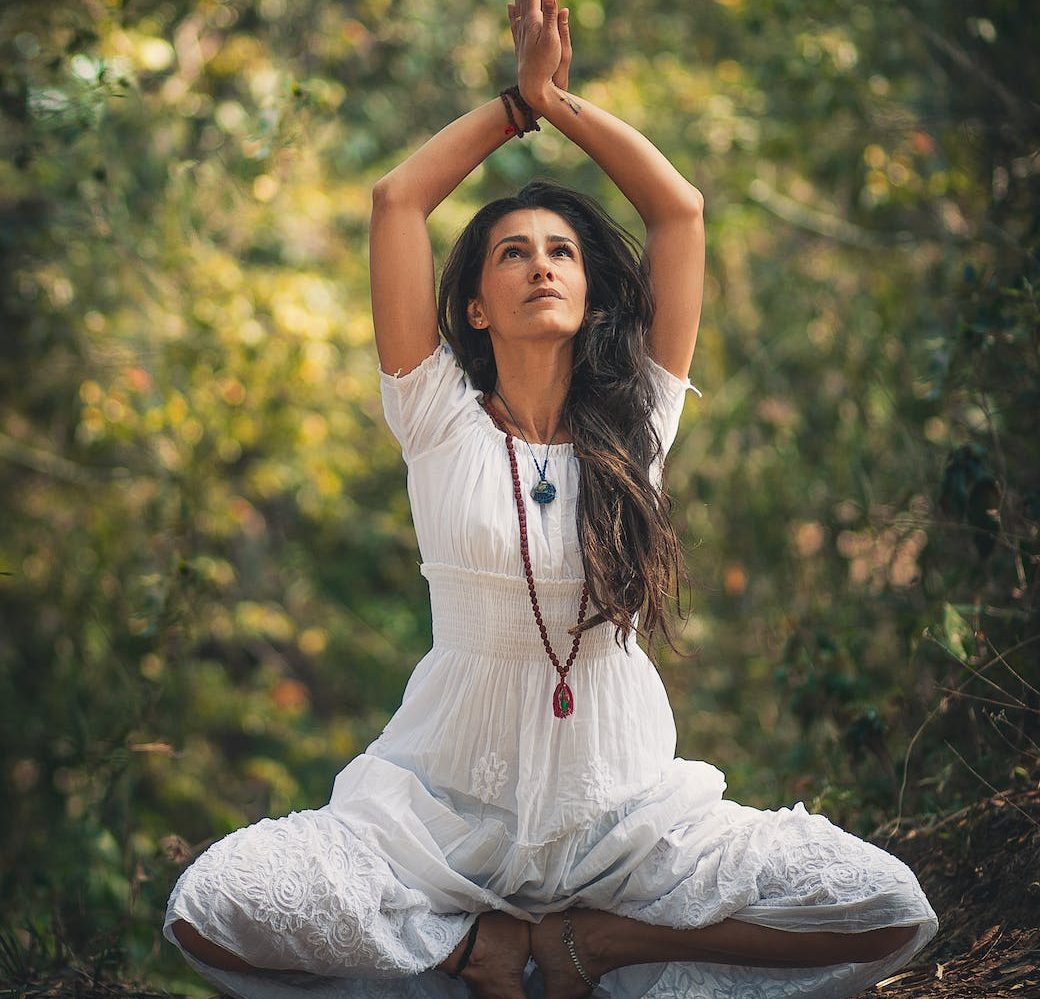
How to stay healthy and fit while working a sedentary job

Staying fit while working a sedentary job can be a challenge, but it’s definitely possible with some intentional effort. Here are some tips to help you stay fit:

  1. Incorporate regular physical activity: Make it a priority to include exercise in your daily routine. Aim for at least 30 minutes of moderate-intensity exercise most days of the week. This could include activities such as brisk walking, jogging, cycling, swimming, or any other form of exercise you enjoy.
  2. Utilize your breaks: Take advantage of your breaks during the workday to move around. Instead of sitting at your desk, go for a short walk or do some stretching exercises. Even a few minutes of activity can help break up long periods of sitting and improve your overall fitness.
  3. Stand and move regularly: Try to avoid prolonged sitting by incorporating regular breaks to stand up and move around. Set reminders or use a standing desk if available. You can also consider using a stability ball instead of a chair, as it engages your core muscles and encourages better posture.
  4. Walk or bike to work: If possible, consider walking or biking to work. This can be an excellent way to incorporate physical activity into your daily routine. If the distance is too far, you can try parking your car farther away or getting off public transportation a few stops earlier to add some walking to your commute.
  5. Exercise during lunch breaks: Use your lunch break to engage in physical activity. You can go for a brisk walk or find a nearby gym to get in a quick workout. Alternatively, you can do some bodyweight exercises or yoga stretches in a quiet area.
  6. Use technology to your advantage: There are several fitness apps and devices available that can help you track your activity level and provide reminders to move. Consider using a fitness tracker or an app that reminds you to stand up and stretch at regular intervals.
  7. Stay hydrated: Drinking enough water throughout the day is essential for overall health and can also help increase your energy levels. Keep a water bottle at your desk and make a conscious effort to stay hydrated.
  8. Practice good ergonomics: Ensure your workstation is set up ergonomically to minimize the risk of musculoskeletal issues. Use an adjustable chair that provides proper support to your back and maintain good posture while sitting.
  9. Take the stairs: Skip the elevator and opt for the stairs whenever possible. Climbing stairs is a great way to get your heart rate up and engage your leg muscles.
  10. Engage in active hobbies: Outside of work, find activities that you enjoy and that involve movement. It could be playing a sport, joining a fitness class, dancing, hiking, or anything that gets you moving and active.

Remember, the key is to find ways to incorporate movement and exercise into your daily routine. Small changes and consistent effort can make a significant difference in staying fit while working a sedentary job

HOW to stay hydrated during workout

Staying hydrated during a workout is essential for maintaining optimal performance and preventing dehydration. Here are some tips on how to stay hydrated during your workout:

  1. Drink water before your workout: Start hydrating well before your workout session. Aim to drink 16 to 20 ounces (473 to 591 milliliters) of water two hours before exercising.
  2. Drink during your workout: Take regular water breaks during your workout to replenish fluids. The frequency and amount will depend on the intensity and duration of your exercise. As a general guideline, aim to drink 7 to 10 ounces (207 to 296 milliliters) of water every 10 to 20 minutes during exercise.
  3. Consider sports drinks for intense workouts: If your workout is intense and lasts longer than an hour, you may benefit from a sports drink that contains electrolytes. Electrolytes like sodium and potassium help replenish what you lose through sweat and aid in fluid absorption.
  4. Listen to your body: Pay attention to your body’s signals. If you start feeling thirsty, it’s a sign that you’re already dehydrated. Take sips of water regularly to maintain hydration levels.
  5. Monitor urine color: One way to gauge your hydration status is by monitoring the color of your urine. Clear or light yellow urine generally indicates good hydration, while darker urine suggests dehydration. Aim for light yellow urine throughout the day, including during and after your workout.
  6. Hydrate before, during, and after exercise: Remember that hydration is not just about drinking water during your workout. It’s also important to hydrate before and after exercise to prepare and recover properly. Drink water before starting your workout and continue hydrating afterward to replenish fluid losses.
  7. Consider environmental factors: If you’re exercising in a hot or humid environment, your body will lose more fluids through sweat. In such cases, you may need to increase your fluid intake to compensate for the additional loss.
  8. Personalize your hydration plan: Everyone’s hydration needs are different, so it’s important to personalize your hydration plan based on factors like your body weight, exercise intensity, duration, and individual sweat rate. Experiment with different strategies and observe how your body responds to find the best approach for you.

Remember that staying hydrated is a continuous process, so it’s important to maintain good hydration habits throughout the day, not just during your workouts. Make sure to listen to your body, stay consistent, and prioritize hydration as part of your overall fitness routine.

Thank you

Dance As A Workout

Title: Dance as a Workout: Unleashing the Rhythm of Fitness

Introduction: In our quest for physical fitness, we often find ourselves seeking engaging and enjoyable ways to stay active. One such avenue that combines artistry, self-expression, and fitness is dance. Dance as a workout offers numerous benefits, including cardiovascular endurance, muscular strength, flexibility, and mental well-being. Beyond the traditional notions of exercise, dance transcends the boundaries of a mundane routine and transforms physical movement into a captivating form of self-expression.

  1. Cardiovascular Endurance: Dance, with its dynamic and rhythmic movements, provides an excellent cardiovascular workout. Whether it’s ballet, salsa, hip-hop, or Zumba, dance routines require constant motion, elevating the heart rate and increasing blood circulation. The repetitive motions, jumps, and turns involved in dance routines promote cardiovascular endurance, strengthening the heart and lungs over time. Regular dance sessions help improve stamina, leading to enhanced overall fitness levels.
  2. Muscular Strength and Tone: Dancing engages a wide range of muscles throughout the body, making it a full-body workout. Different dance styles emphasize specific muscle groups, leading to increased strength and toning. Ballet, for instance, strengthens the leg muscles, while hip-hop routines work the core and upper body. By incorporating various dance styles into a fitness routine, individuals can target different muscle groups and achieve a balanced and sculpted physique.
  3. Flexibility and Range of Motion: Flexibility is a vital component of physical fitness, and dance is an excellent way to enhance it. The fluid movements, stretches, and contortions involved in dance routines promote increased flexibility and improved range of motion. Regular dance practice helps lengthen and strengthen muscles, tendons, and ligaments, reducing the risk of injury and enhancing overall body coordination.
  4. Weight Management and Calorie Burn: Dance workouts provide an effective means of managing weight and burning calories. Engaging in a lively dance routine can burn a substantial number of calories, comparable to traditional cardio exercises. The energetic and continuous movements in dance routines elevate the heart rate and increase metabolic activity, leading to weight loss and improved body composition. Additionally, dance as a workout fosters an enjoyable and sustainable fitness routine, making it easier to adhere to long-term weight management goals.
  5. Mental Well-being: Beyond its physical benefits, dance holds significant advantages for mental well-being. Engaging in dance releases endorphins, the body’s natural mood-boosting chemicals, promoting a sense of happiness, relaxation, and stress relief. Dance serves as an outlet for self-expression, allowing individuals to channel their emotions, reduce anxiety, and enhance self-confidence. The rhythmic patterns and coordination required in dance routines engage the mind, improving cognitive function and focus.

Conclusion: Dance is not just an artistic form of expression but also a highly effective workout regimen. It combines physical fitness with creativity, allowing individuals to achieve their fitness goals while indulging in an enjoyable activity. With its cardiovascular benefits, muscular strength and toning, flexibility enhancement, calorie-burning potential, and positive impact on mental well-being, dance offers a holistic approach to fitness. So, whether one seeks an alternative to conventional exercises or desires to explore the realms of movement and artistry, dance provides a remarkable and captivating path towards achieving a fit and balanced lifestyle.

Design a site like this with WordPress.com
Get started