MOUTH ULCERS

Ulcers are a common ailment that affect many people around the world. They are characterized by a sore that develops on the skin or mucous membranes. Ulcers can occur in various parts of the body, including the stomach, mouth, and genital area.

In this article, we will explore the causes, symptoms, and treatments for ulcers, as well as some tips for managing the condition.

CAUSES OF ULCERS

Ulcers can be caused by a variety of factors, including:

Infection: The bacterium Helicobacter pylori (H. pylori) is a common cause of stomach ulcers.

Medications: Nonsteroidal anti-inflammatory drugs (NSAIDs), such as aspirin and ibuprofen, can cause stomach ulcers.

Stress: Emotional stress can increase the risk of developing ulcers.

Alcohol and tobacco use: Heavy alcohol consumption and smoking can irritate the lining of the stomach and increase the risk of ulcers.

SYMPTOMS OF ULCERS

The symptoms of ulcers vary depending on the location of the sore. Some common symptoms include:

Abdominal pain: Stomach ulcers can cause a dull or burning pain in the abdomen.
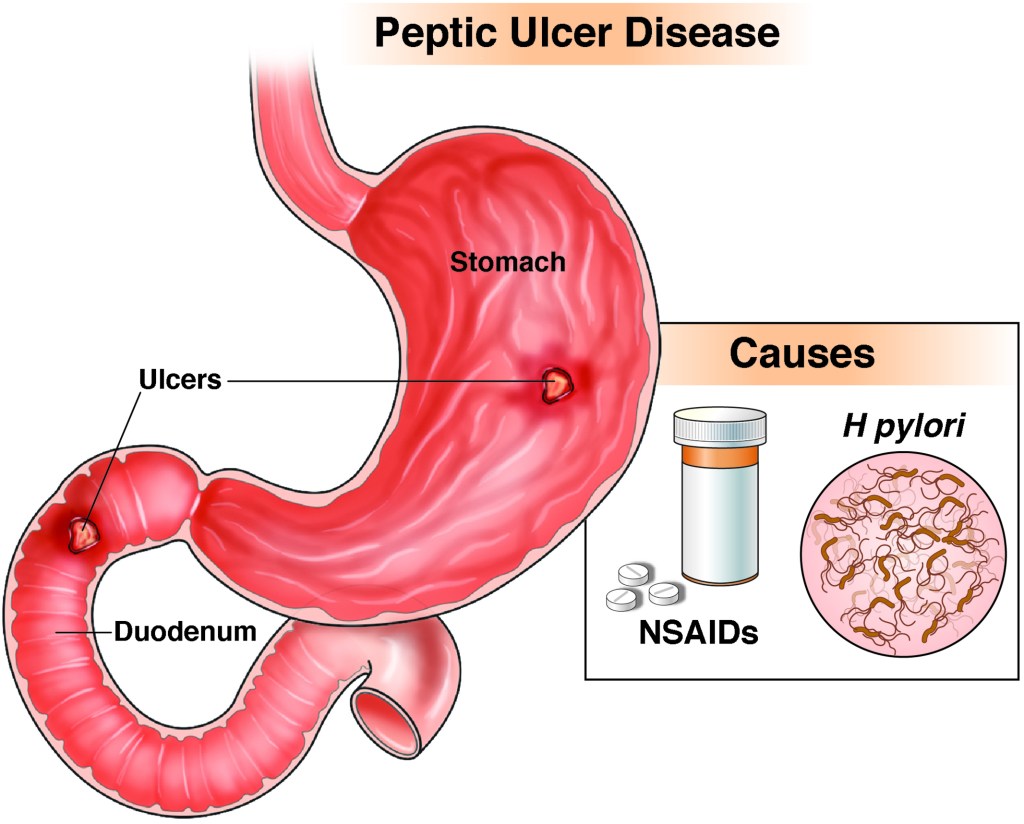


Indigestion: Ulcers can cause bloating, heartburn, and nausea.

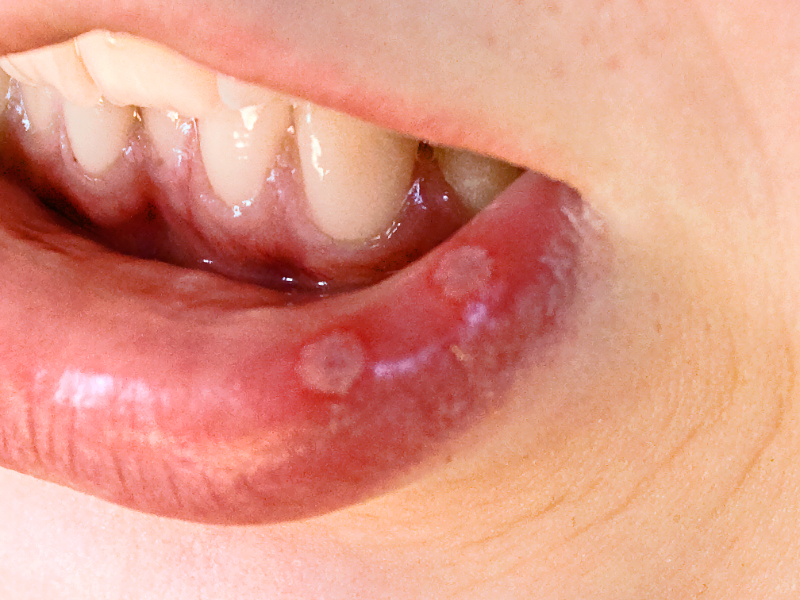
Mouth sores: Ulcers in the mouth can cause pain, swelling, and redness.
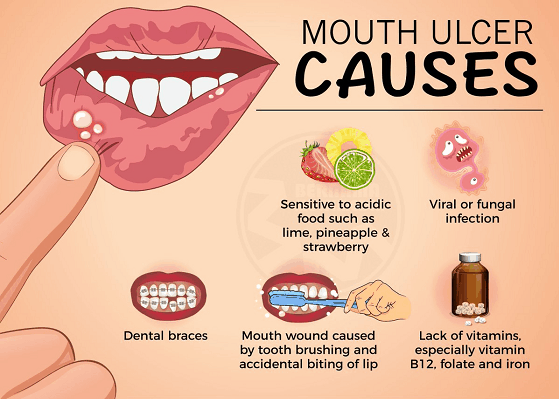


Genital sores: Ulcers in the genital area can cause pain, itching, and discharge.



TREATMENT OF ULCERS

The treatment of ulcers depends on the underlying cause of the condition. Some common treatments include:

Antibiotics: If the ulcer is caused by an infection, antibiotics may be prescribed.

Medications: Proton pump inhibitors (PPIs) and H2 blockers can help reduce stomach acid and relieve symptoms.

Lifestyle changes: Avoiding alcohol and tobacco, reducing stress, and eating a healthy diet can all help manage ulcers.

MANAGING ULCERS

In addition to medical treatment, there are several things you can do to manage ulcers:

Avoid trigger foods: Spicy, acidic, and fatty foods can all irritate the stomach lining and make symptoms worse.

Eat small, frequent meals: Eating smaller meals more frequently can help reduce acid production and prevent symptoms.

Stay hydrated: Drinking plenty of water can help reduce stomach acid and promote healing.

Manage stress: Practicing relaxation techniques, such as deep breathing or meditation, can help reduce stress and prevent symptoms.

CONCLUSION

Ulcers are a common condition that can be caused by a variety of factors. While they can be uncomfortable and sometimes painful, they are usually treatable with medication and lifestyle changes. By following the tips outlined in this article, you can help manage your symptoms and improve your quality of life


SEX WAY OF PLEASURE but Sometimes Dangerous ?

WAY OF PLEASURE

Sexual health

Sexual activity can be a way for individuals to experience physical pleasure and emotional intimacy. When individuals engage in sexual activity, their bodies release hormones such as dopamine, oxytocin, and endorphins, which can produce pleasurable sensations and a sense of well-being. Additionally, sexual activity can promote bonding and connection between partners.

However, it is important to emphasize that sexual pleasure should be consensual and safe. All parties involved should communicate openly and honestly about their desires and boundaries, and appropriate measures should be taken to prevent STIs and unwanted pregnancies. It is also important to recognize that individuals may have different preferences and comfort levels regarding sexual activity, and these should be respected.

It is also worth noting that sex can have different meanings and purposes for different individuals and cultures, and that pleasure is not the only reason why people engage in sexual activity. It can also be a way to express love, create offspring, or fulfill religious or cultural beliefs, among other reasons.

PRECAUTIONS BEFORE SEX

Practicing safe sex is essential to prevent sexually transmitted infections (STIs) and unwanted pregnancies. Here are some ways to prevent STIs and unwanted pregnancies during sexual activity:

Use condoms: Condoms can be an effective way to prevent the transmission of STIs and unwanted pregnancies. They should be used correctly and consistently during vaginal, anal, and oral sex. It is important to use a new condom every time, as condoms can break or tear.

Get tested: Regular STI testing can help identify and treat infections before they can be spread to others. Both partners should get tested before engaging in sexual activity, and individuals who have multiple sexual partners should get tested more frequently.

Use other forms of contraception: In addition to condoms, other forms of contraception such as birth control pills, patches, or intrauterine devices (IUDs) can help prevent unwanted pregnancies. It is important to discuss with a healthcare provider to determine the best method for each individual.

Practice mutual monogamy: Engaging in sexual activity with only one partner who has tested negative for STIs can reduce the risk of transmission.

Communicate with partners: Open and honest communication with sexual partners is important to ensure that all parties are comfortable and willing to engage in sexual activity. It is important to discuss desires, boundaries, and any concerns related to STIs or pregnancy prevention.

Remember, prevention is key to protecting oneself and others during sexual activity.

SEX RELATED DISEASES

There are many sexually transmitted infections (STIs) and other diseases that can be transmitted through sexual activity. Here are some of the most common sex-related diseases:

Human papillomavirus (HPV): HPV is a very common STI that can cause genital warts and increase the risk of cervical and other cancers.

Chlamydia: Chlamydia is a bacterial infection that can cause painful urination and discharge from the penis or vagina. If left untreated, it can lead to infertility or pelvic inflammatory disease (PID).

Gonorrhea: Gonorrhea is another bacterial infection that can cause similar symptoms to chlamydia. It can also lead to infertility or PID if left untreated.

Herpes: Herpes is a viral infection that can cause painful blisters or sores on the genitals or mouth. It can be transmitted even if there are no visible symptoms.

HIV/AIDS: HIV is a virus that attacks the immune system, and if left untreated, can progress to AIDS. It is primarily transmitted through blood, semen, vaginal fluids, and breast milk.

Syphilis: Syphilis is a bacterial infection that can cause genital sores, rashes, and fever. It can also lead to more severe symptoms and complications if left untreated.

It is important to note that these are just a few examples of the many STIs and sex-related diseases that exist. Practicing safe sex, including the use of condoms and regular STI testing, can help prevent the transmission of these diseases.

MISCONCEPTIONS AND MYTHS RELATED TO SEX.

There are many misconceptions and myths related to sex that can lead to confusion and potentially harmful behaviors. Here are some common misconceptions and myths related to sex that should be addressed:

Myth: Pulling out is an effective form of contraception.
Reality: While pulling out can reduce the risk of pregnancy, it is not a reliable form of contraception. Pre-ejaculate (pre-cum) can contain sperm and lead to pregnancy.

Myth: Condoms reduce sexual pleasure.
Reality: Condoms can enhance sexual pleasure and provide protection against sexually transmitted infections (STIs) and unwanted pregnancies.

Myth: STIs only affect certain groups of people.
Reality: Anyone who engages in sexual activity can contract an STI, regardless of their gender, sexual orientation, or cultural background.

Myth: Women can’t get pregnant during their period.
Reality: While the likelihood of pregnancy is lower during menstruation, it is still possible to get pregnant.

Myth: Masturbation is unhealthy or abnormal.
Reality: Masturbation is a normal and healthy way to explore one’s sexuality and can have physical and mental health benefits.

Myth: Sexual activity should always be spontaneous and passionate.
Reality: Communication and consent are important aspects of healthy sexual activity. Planning and discussing sexual activity with one’s partner can lead to a more satisfying and fulfilling experience.

It is important to address these common misconceptions and myths related to sex in order to promote healthy sexual practices and behaviors. By providing accurate and up-to-date information, individuals can make informed decisions about their sexual health and well-being

WHAT RESEARCHERS SAYS ABOUT SEX

Researchers have conducted extensive studies on various aspects of sex, including the biology, psychology, and social and cultural aspects of sexual behavior. While there is no single conclusion that can be drawn from this research, here are some key findings and insights from researchers:

Sex has important physical and psychological health benefits. Sexual activity has been linked to a reduced risk of cardiovascular disease, improved immune function, and decreased anxiety and depression.

Communication and consent are critical components of healthy sexual behavior. Research has shown that individuals who communicate effectively with their sexual partners and obtain explicit consent have more satisfying sexual experiences and experience fewer negative outcomes.

Sex education is important for promoting healthy sexual behaviors and reducing the risk of sexually transmitted infections and unintended pregnancies. Studies have shown that comprehensive sex education programs that provide accurate information on contraception, STI prevention, and healthy relationships can lead to positive sexual outcomes.

Sexual orientation and gender identity are important aspects of human diversity that should be respected and celebrated. Research has shown that discrimination and stigma towards LGBTQ+ individuals can have negative impacts on their mental and physical health.

Cultural and societal norms can influence sexual behavior and attitudes towards sex. Research has shown that individuals from more conservative societies may have more negative attitudes towards sex and be less likely to engage in sexual activity, while those from more liberal societies may have more positive attitudes towards sex and be more sexually active.

Overall, the research on sex highlights the importance of promoting healthy and consensual sexual behavior, respecting diversity in sexual orientation and gender identity, and providing comprehensive sex education and healthcare services.

For your better sex life please click on the link given below

https://www.digistore24.com/redir/413700/Viraj143/https://www.digistore24.com/redir/413700/Viraj143/https://www.digistore24.com/redir/413700/Viraj143/

New prostate disease by Harvard University

Case study

A recent study conducted by Harvard University has raised concerns about the presence of solid microscopic matter in water. According to the study, these toxic minerals can build up in the walls of the prostate and urinary system, much like how limestone can stick to pipes.

The study, which was published in the journal Environmental Health Perspectives, looked at the levels of minerals such as calcium, magnesium, and iron in drinking water samples from various regions across the United States. The researchers found that in areas where the water was rich in these minerals, there was a higher incidence of urinary tract problems, including bladder cancer and kidney stones.

The reason for this is that these minerals can accumulate in the urinary system, forming what are known as urinary tract stones. These stones can cause blockages in the urinary tract, leading to a range of uncomfortable and painful symptoms such as difficulty urinating, pain during urination, and even kidney damage in severe cases.

Furthermore, the study found that the presence of these minerals in drinking water was linked to an increased risk of prostate cancer. The reason for this is that the minerals can build up in the walls of the prostate, causing inflammation and damage to the tissues. This, in turn, can increase the risk of cancerous growths.

While the study focused on the United States, the issue of mineral-rich water is a global one. In many parts of the world, water sources are naturally rich in minerals such as calcium, magnesium, and iron. In other areas, water is artificially enriched with these minerals as part of the water treatment process.

While minerals such as calcium and magnesium are essential for good health, too much of a good thing can be harmful. This is why it is important to be aware of the mineral content of the water you are drinking and take steps to reduce your exposure to toxic minerals.

One way to do this is to install a water filter in your home. Water filters can remove harmful minerals from drinking water, reducing the risk of urinary tract problems and prostate cancer. However, not all water filters are created equal, and it is important to choose a filter that is effective at removing the specific minerals that are present in your water.

Another way to reduce your exposure to toxic minerals is to drink bottled water. However, it is important to note that not all bottled water is free from minerals. Some bottled waters are simply tap water that has been treated and bottled, while others are sourced from natural springs that may contain high levels of minerals.

In conclusion, the Harvard study highlights the importance of being aware of the mineral content of the water you are drinking. While minerals such as calcium and magnesium are important for good health, too much of these minerals can be harmful. By taking steps to reduce your exposure to toxic minerals, such as installing a water filter or drinking bottled water, you can reduce your risk of developing urinary tract problems and prostate cancer.

What are the pain points, or biggest fears

Short term


1 intability used by an increased need to utrate, weak urine stream or stream that starts and stops

2 Feeling less of a man

3 Poor semp and tiredness (the nond to urinate increases during the night)

4 No longer being able to enjoy themselves because they are always on a look out for bathroom

5 Having to deal with ridicule/bad jokes from other people

Long term:

Erectile dysfunction

Urinary tract infection

Urinary retentions (inability to peel or inability to hold urine)

Stones in the badder or kidney

Kidney damage

Having to wear diapers

Becoming home-bound due to constantly needing a toilet

Fear of being seen as sterile

Design a site like this with WordPress.com
Get started